
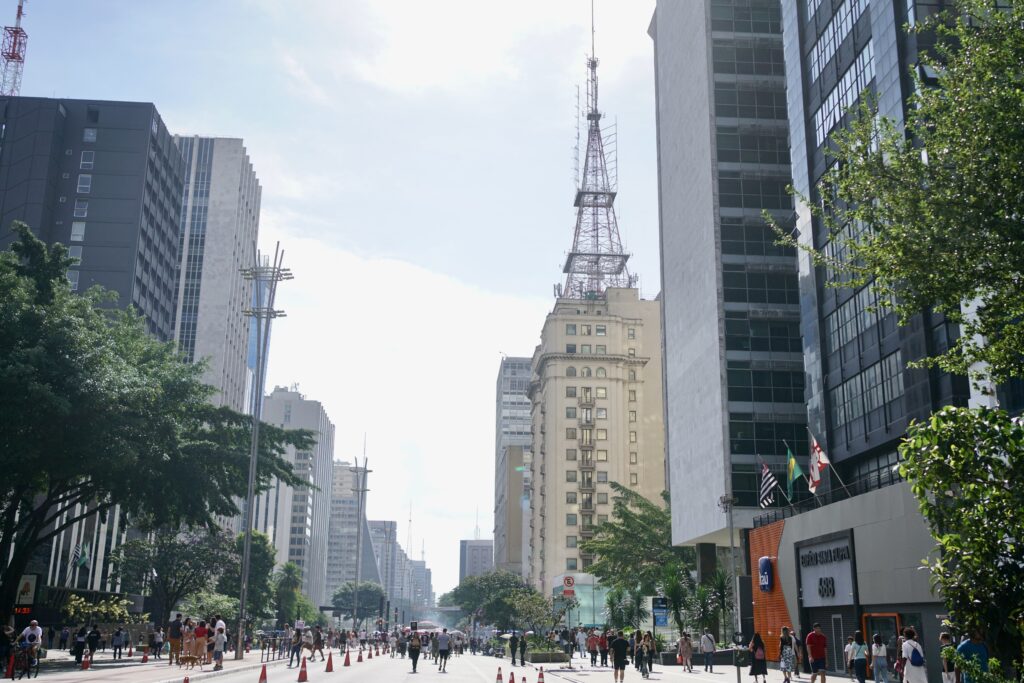
São Paulo is the metropolitan mecca of Brazil. It’s the largest city in Latin America — even bigger than Mexico City. A city that large is worth exploring, but honestly, São Paulo isn’t built for tourism — there are no beaches or resorts. There is, though, plenty of art. The design-focused city has world-class museums, colorful street art, and impressive architecture.
The most popular city to visit in Brazil is, obviously, Rio de Janeiro, but if you’re already planning to go to Brazil, you should make a stop in São Paulo.
Travel to Brazil is booming. The country has seen an almost 50% increase in tourism in 2025. Part of it is probably due to the enticing TikTok videos of New Year’s Eve or Carnival in Brazil, but, in general, Brazil has gotten its act together since the Olympics were held there in 2016. It’s safer than ever before and budget-friendly for US travelers.
It wouldn’t be surprising if, in the next decade, São Paulo rises to become the next Mexico City. Its great restaurants, welcoming culture, and art make it a playground for tourists.
But, before you travel to São Paulo, there are a few things you should know to have a successful trip. Starting with actually getting approved to enter the country…
Getting your visas
In 2025, Brazil mandated visas for passport holders from the US, Canada, and Australia. The visa costs $80.90, and it’s valid for 10 years. The key to getting a Brazilian visa is planning ahead. It can be a headache to get your visa, so read the following paragraphs carefully to avoid any missteps.
As soon as you buy your plane ticket, go to brazil.vfsevisa.com to apply for your visa. VFS Global is the company and website facilitating the visa process. You can think of them as the middleman between you and the embassy, helping to prepare and pre-approve all your documents.
Documents
You’ll need your passport and a photo of you against a white, plain background. When you take your photo, make sure your ears are visible. If not, you won’t get approved, and you’ll need to retake the photo. VFS Global has a function within the application that will clean up your photo for you, helping it get approved faster.
Timing
The processing time for a visa is 10 business days, according to the website. If you still haven’t received your visa within two weeks of your departure date, call the help line and ask to get approval on your visa while you’re on the phone with them. You’ll likely sit on hold for a bit of time, but once they approve your documents, your visa will be sent to an embassy for final approval. The embassy typically approves the visa within 48 hours (or even shorter).
Don’t email VFS Global, call them using the links here that say “Click to talk.” It doesn’t matter whether you call the US, Canada, or Australia, anyone can help you.
Remember, the eVisa folks are the middlemen, so they don’t have the power to approve or expedite your visa, just your document approval. So, when you’re on the phone with them, kindly ask for document approval. Any talk of expediting a visa will freak them out. (Trust me from experience).
Getting there
Arriving in Brazil is a breeze as long as you have a visa. A nonstop flight from the United States to São Paulo is at least eight hours long. If you’re flying from Rio, it’s only a quick one-hour flight and typically under $100.
The São Paulo airport (GRU) is about an hour from the center of the city, but with traffic, it can take up to two hours. Make sure you plan ahead when catching your flight back home.
Getting around
Uber is the best way to get around São Paulo. They are affordable and easy to order on the app.
For some reason, my credit statement added a $.53 charge for every Uber I ordered.
Safety
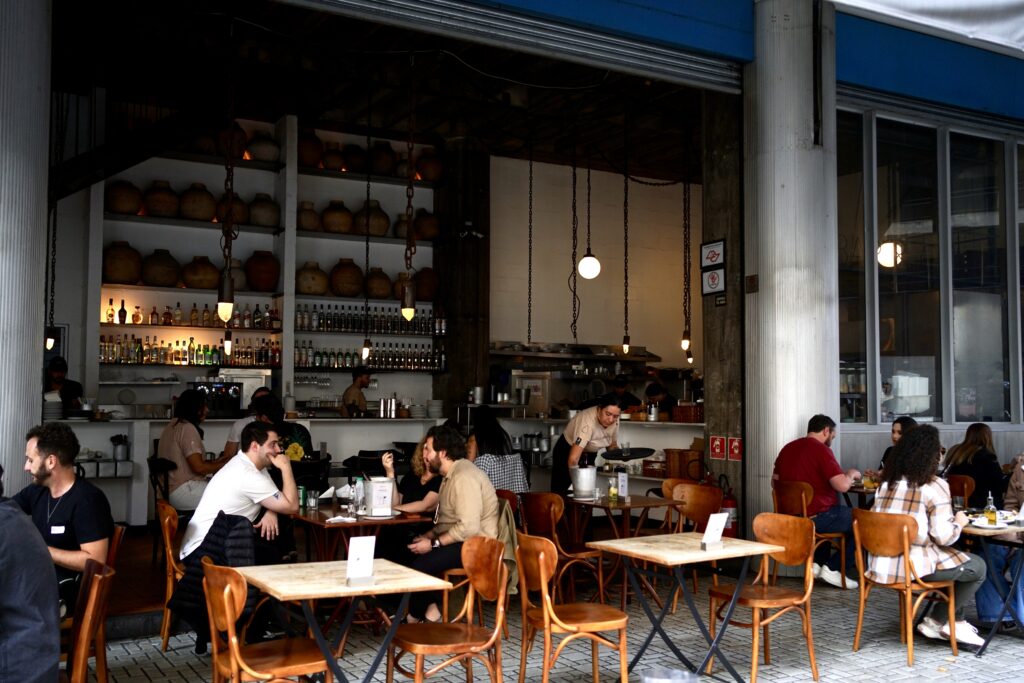
Compared to other cities in Brazil, São Paulo is considered safe. People on TikTok talk about the dangers of favelas, which are informal housing communities in Brazil. In São Paulo, it’s unlikely that you’ll come across favelas while walking around the city center. (That’s more of a concern in Rio de Janeiro.)
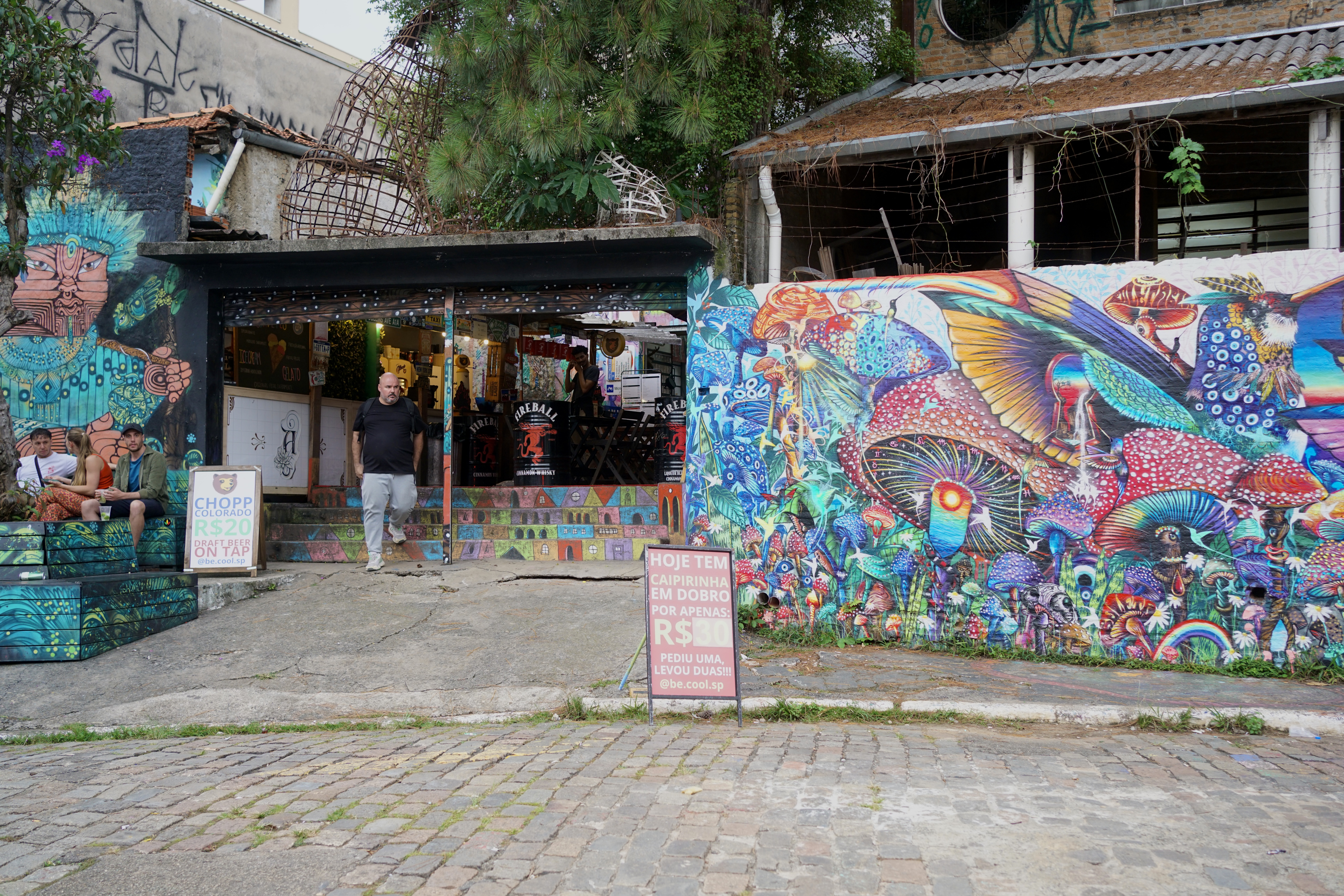
In São Paulo, I wouldn’t walk from one neighborhood to the next because big avenues separate most neighborhoods. It’s safer to Uber from a traffic safety standpoint. This doesn’t apply if you’re going from Pinheiros to Vila Magdalena — they’re right next to each other. In general, walking within a neighborhood in São Paulo is safe.
Like in most cities, the closer you get to the center, the more cautious you need to be. Don’t linger outside on your phone, don’t put your phone in your back pocket, or leave it on a table when dining outdoors.
You’ll be safe taking Ubers and taking the typical precautions you would take in any city.
Language
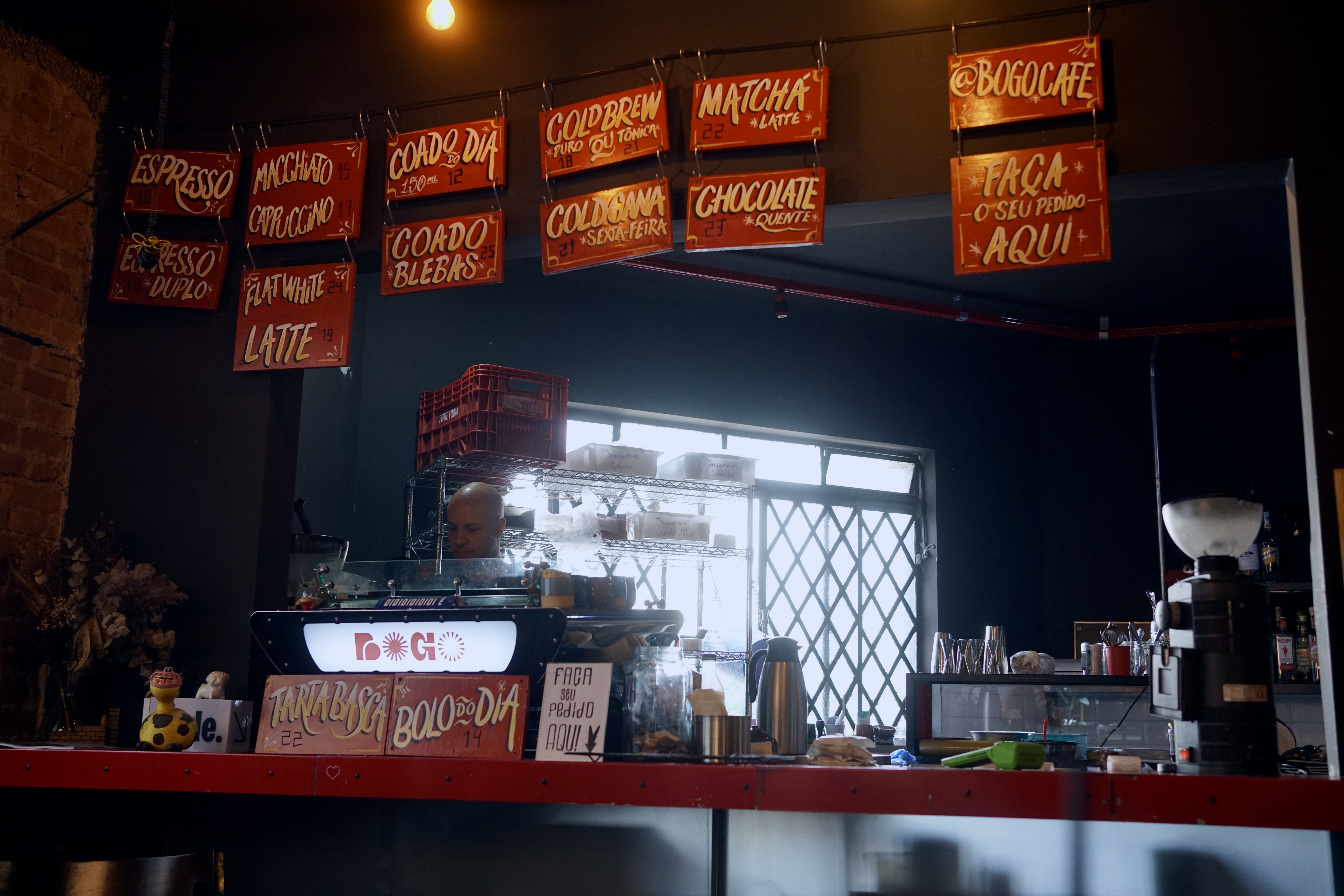
In Brazil, people speak Portuguese, not Spanish. But, being in Latin America, you’d expect people to speak Spanish, right? Nope, it’s easier to speak English than Spanish if you don’t understand Portuguese.
A good word to know in Portuguese is obrigado, or “thank you.” Women should say obrigada while men should say obrigado.
Where to stay
Some of the safest and best neighborhoods to stay in are Pinheiros and Jardins. They’re both walkable and beautiful with tree-lined streets. Jardins is a large neighborhood, so it’s best to book your stay in the central part of the neighborhood (above Avenida Nove de Julho).
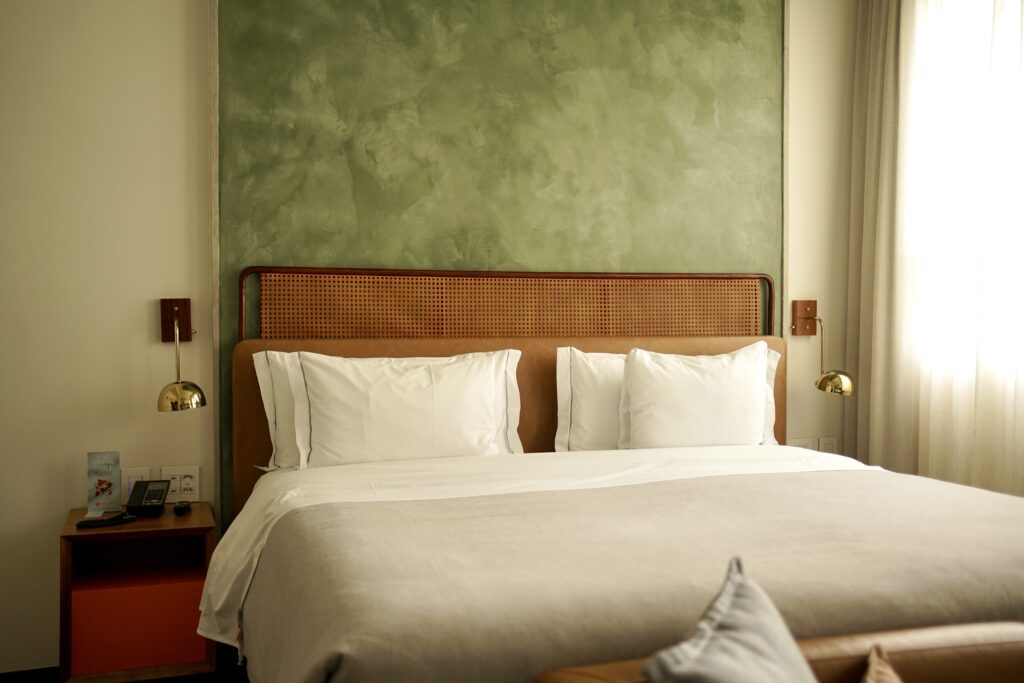
I stayed in a quieter part of Jardins at The Canopy by Hilton. It’s within walking distance of Avenida Paulista and a lot of cute spots.
The Hit List
While São Paulo isn’t known as a tourism hub, there’s still plenty to do. This is a list of the must-do things on your trip to São Paulo.
Taste Brazilian cuisine
Brazilian food is delicious and plentiful in São Paulo. Ingredients like river fish, vanilla, and açaí are literally sourced from the Amazon, giving new meaning to farm-to-table. (Jungle to table, perhaps?)
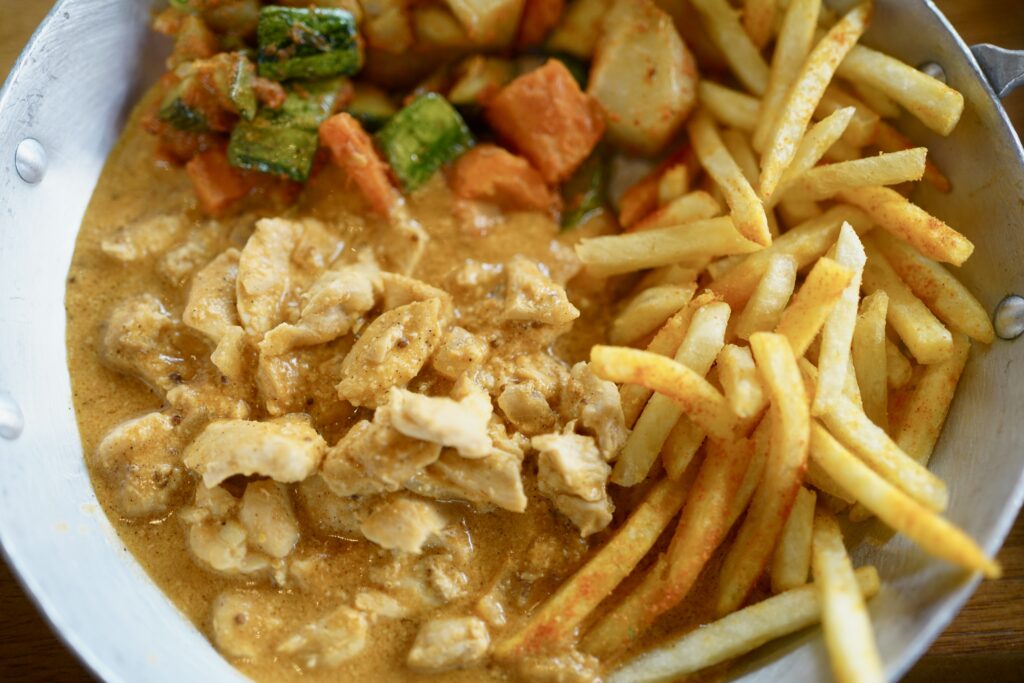
Here are some must-try foods:
Pão de queijo: round cheese bread
Coxinha: deep-fried chicken balls similar to croquetas
Feijoada: bean and meat stew served with rice, collard greens, and cassava flour
Moqueca: fish stew (get it with an Amazonian river fish)
Stroganoff: meat with tomato and cream sauce
Caipirinha: a mojito-like cocktail made with cachaça liquor
Brigadeiro: chocolate truffles made from condensed milk
Pudim: a custard dessert similar to flan
See the street art in Beco do Batman
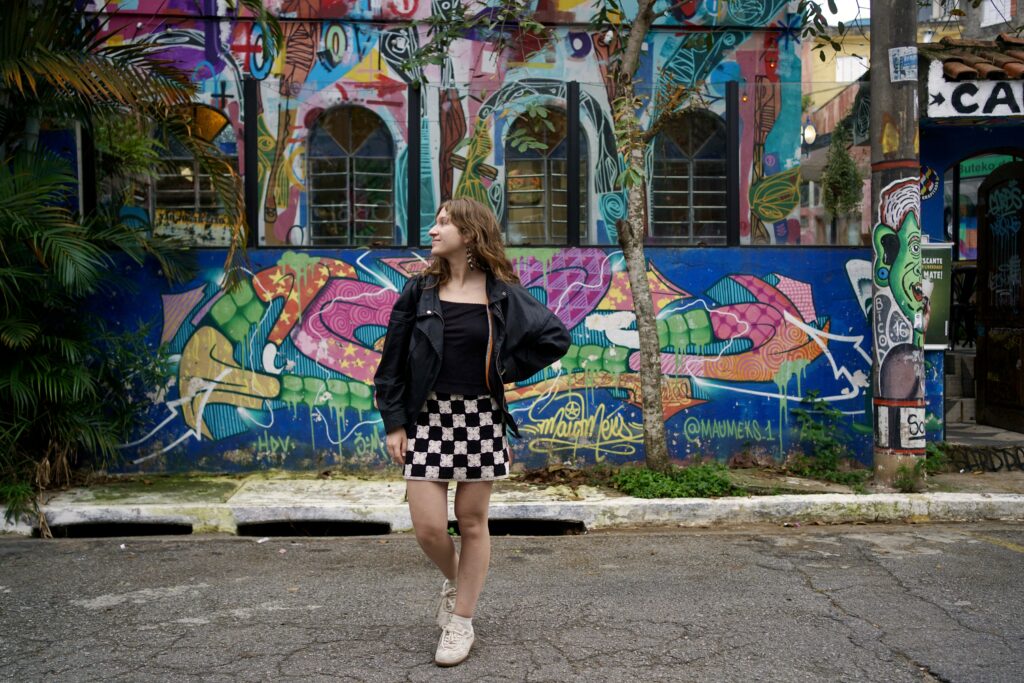
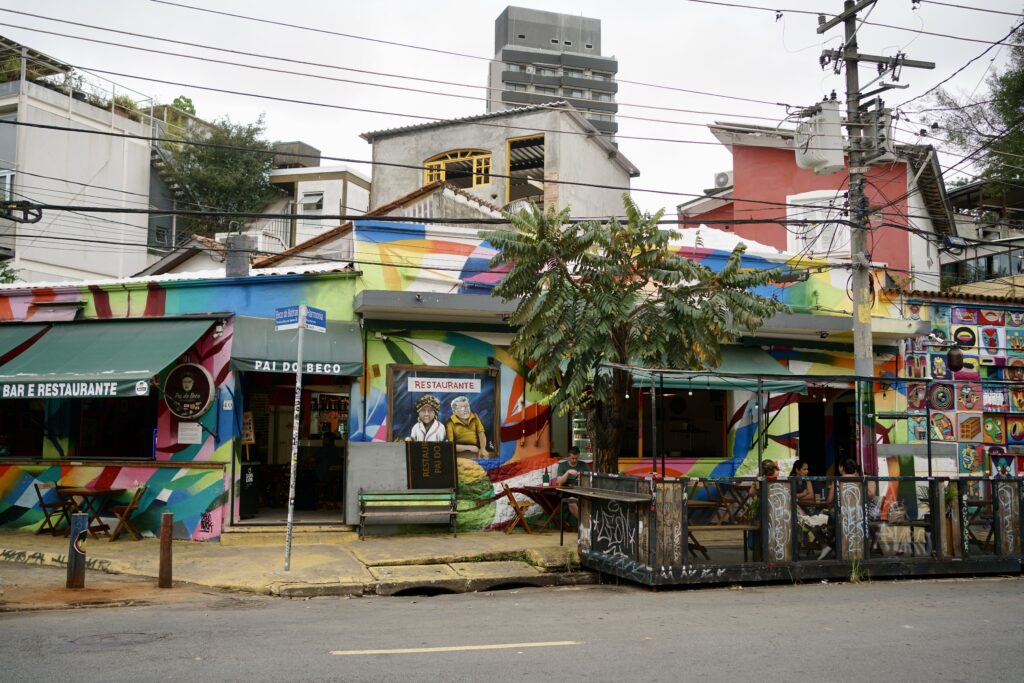
São Paulo’s Vila Magdalena neighborhood is covered in street art. There is an alleyway known as the Beco do Batman that got its name from a Batman mural that first appeared there in the 80s, but you won’t find Batman there anymore. What you will find is brightly painted walls and a neighborhood full of cute cafes and vintage shops.
Go shopping
As a design-focused city, São Paulo has very well-curated shops. Rua Mateus Grou in Pinheiros is a cool street to walk down to discover eclectic and fashionable shops. There are also hidden gems around Jardins off of Avenida Paulista.
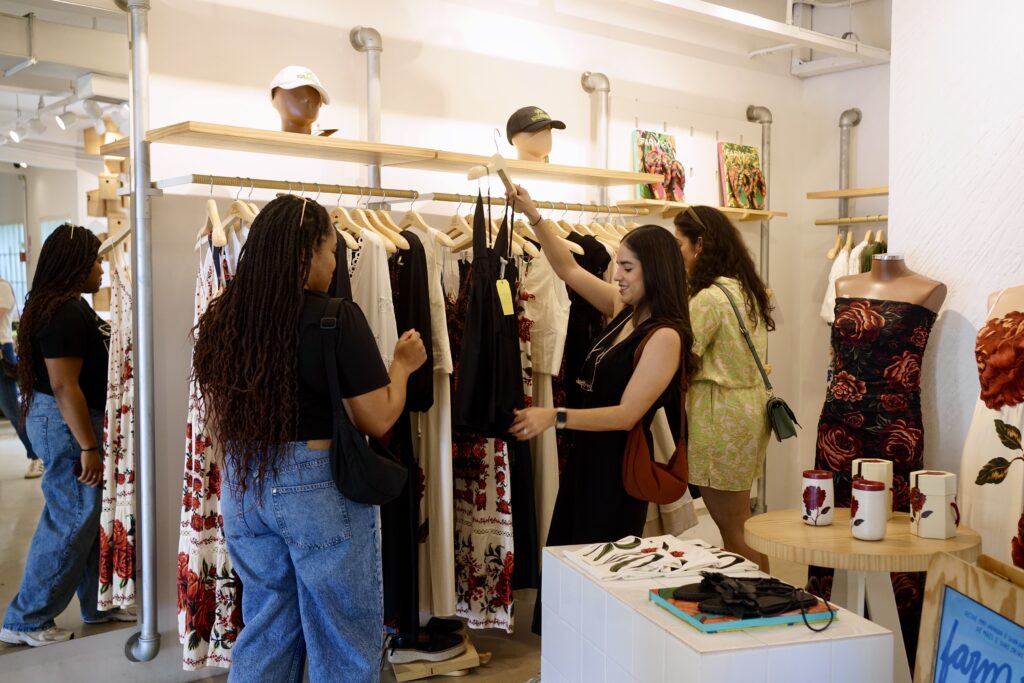
If you love colorful clothes, the designer Farm Rio is an essential stop on your trip to São Paulo. You’ll find dresses for nearly half the price that you’d find online or in stores in the US. The best location is the Harmonia shop near Beco do Batman.
Dance at samba
Samba is the traditional music of Brazil that people dance to. Unlike salsa, samba is a communal dance where everyone dances together with the band.

Go dance to the live music at Ó do Borogodó, a small, traditional samba bar where the band plays all night. Bring cash for cover to enter and drinks at the bar.
Stroll down Avenida Paulista
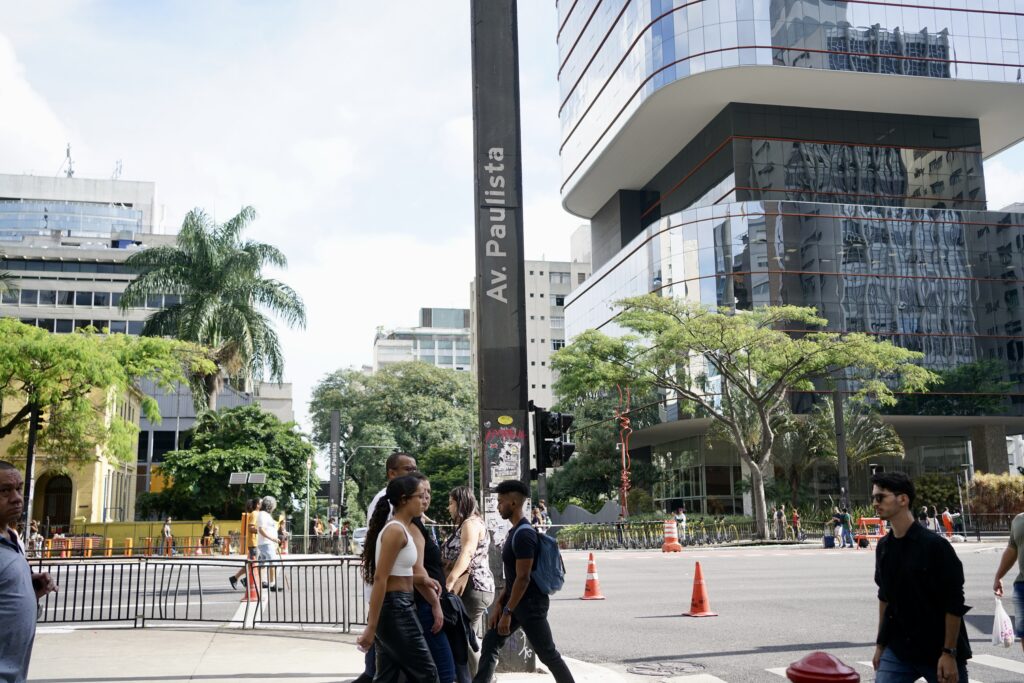
The main road in São Paulo is Avenida Paulista. Every Sunday, the street is closed to cars and open for pedestrians and cyclists. But, unlike most open streets that just see runners and bikes, São Paulo fills up with dancers, food vendors, and musicians. Walk down Avenida Paulista to catch a vibe and the energy.
Go to art museums
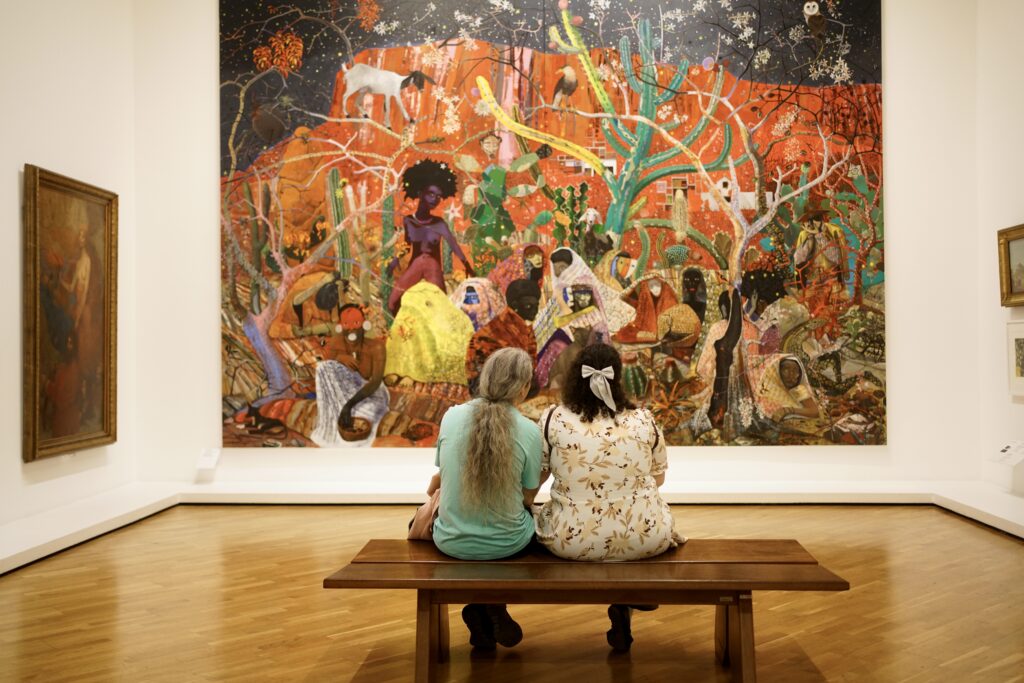
São Paulo is home to some of the best art museums in Latin America. The two main ones are MASP: The Museum of São Paulo and Pinacoteca de São Paulo. MASP showcases European art while Pinacoteca focuses solely on Brazilian artists.
Marvel at the architecture
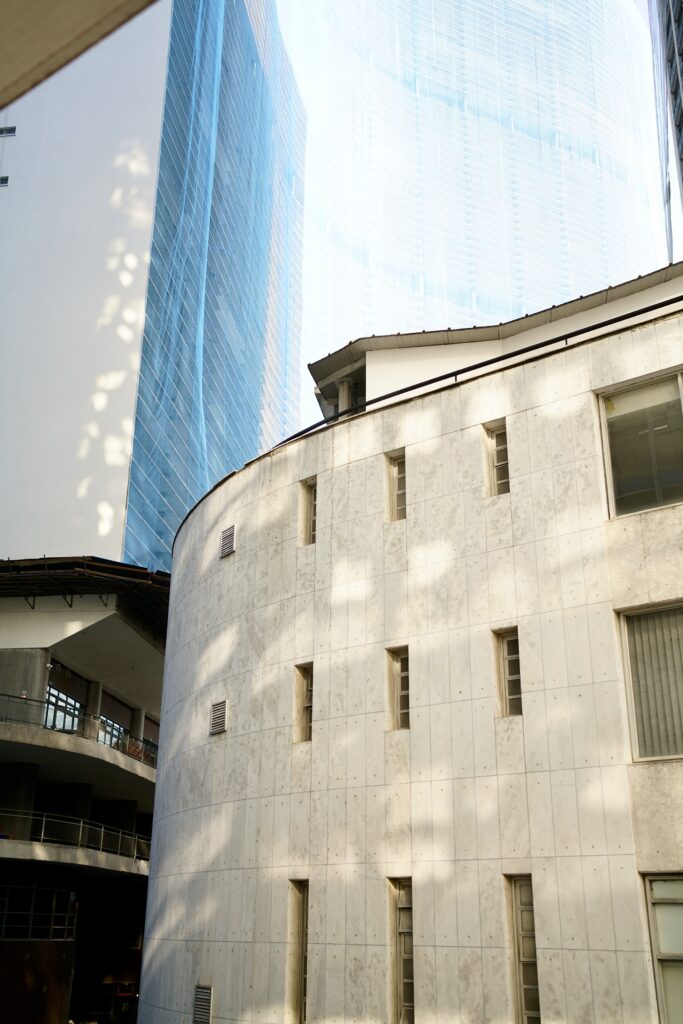
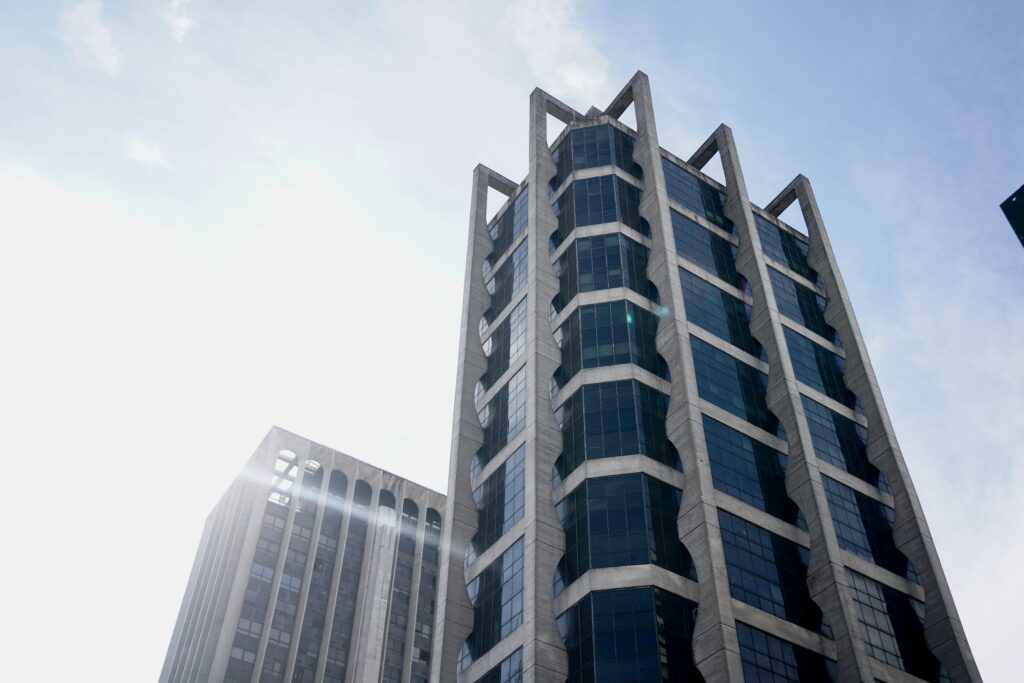
São Paulo has a mix of architecture styles from modernist to colonial. One of the most famous buildings is the Edifício Copan, a modernist building that looks like a wave with an S-curved shape.
When you’re walking around the city, don’t forget to look up and around at the buildings and trees.
Planning a weekend in São Paulo? Check out this itinerary.
More travel guides

Reply