
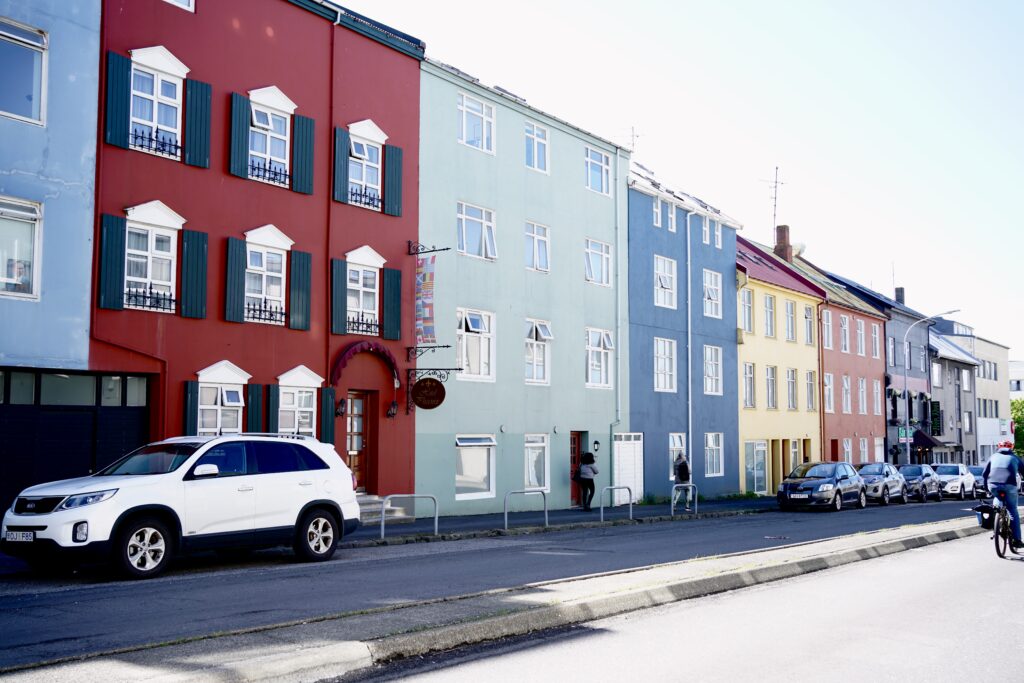
From a small fishing village to a global capital city, Reykjavík welcomes its influx of new visitors with colorful streets and surprisingly good eats. Reykjavík is the capital of Iceland. The city is a gateway to the country’s natural wonders, but despite its small size, Reykjavík has wonders of its own.
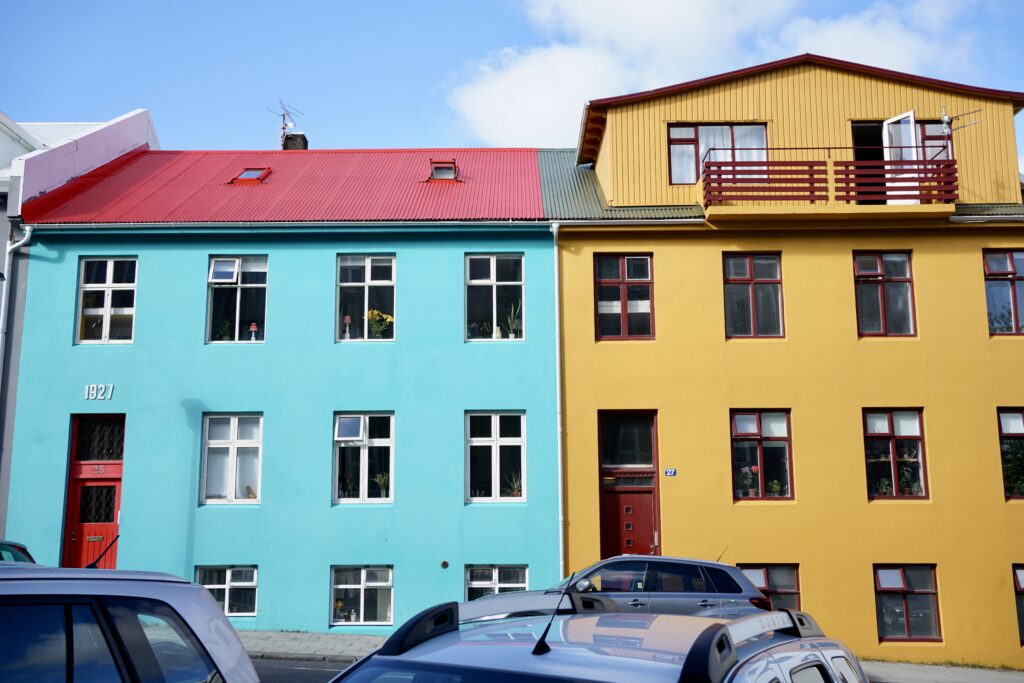
Reykjavík’s walkable streets are dotted with brightly-colored homes, delicious bakeries, and lots of souvenir shops with every and any article of clothing you can slap an illustration of a puffin on. (I’m not kidding. They’re extremely proud of their puffins.)
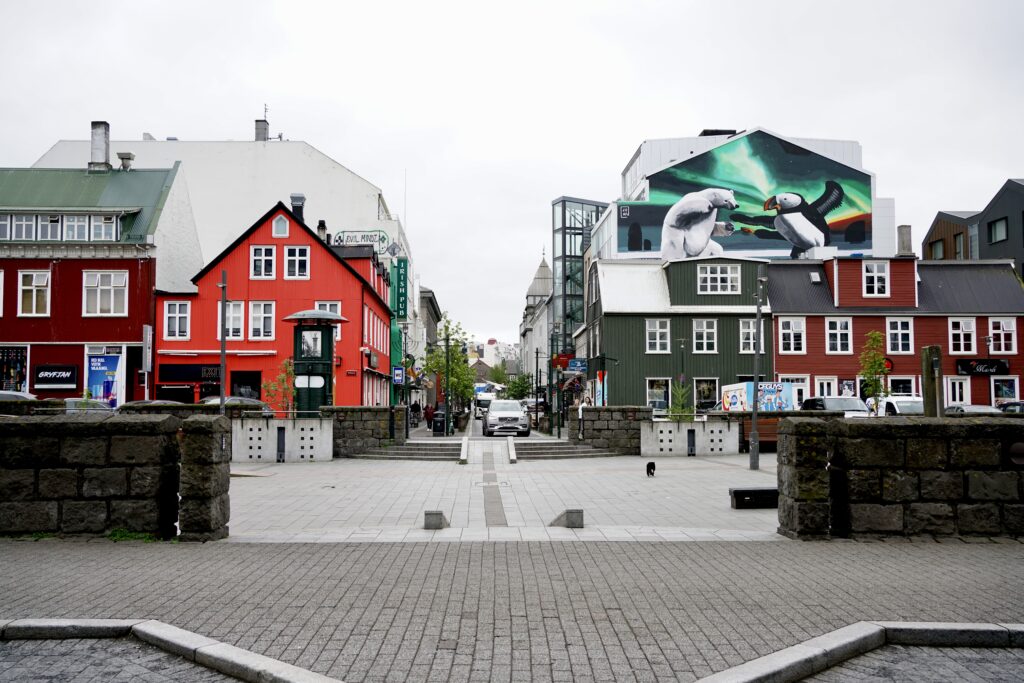
Reykjavík feels more like a town than a city. Its art scene can be seen from the streets with murals on every corner. This short and sweet Reykjavík guide will tell you everything you need to know before exploring the small city for yourself.
The heart of Reykjavík
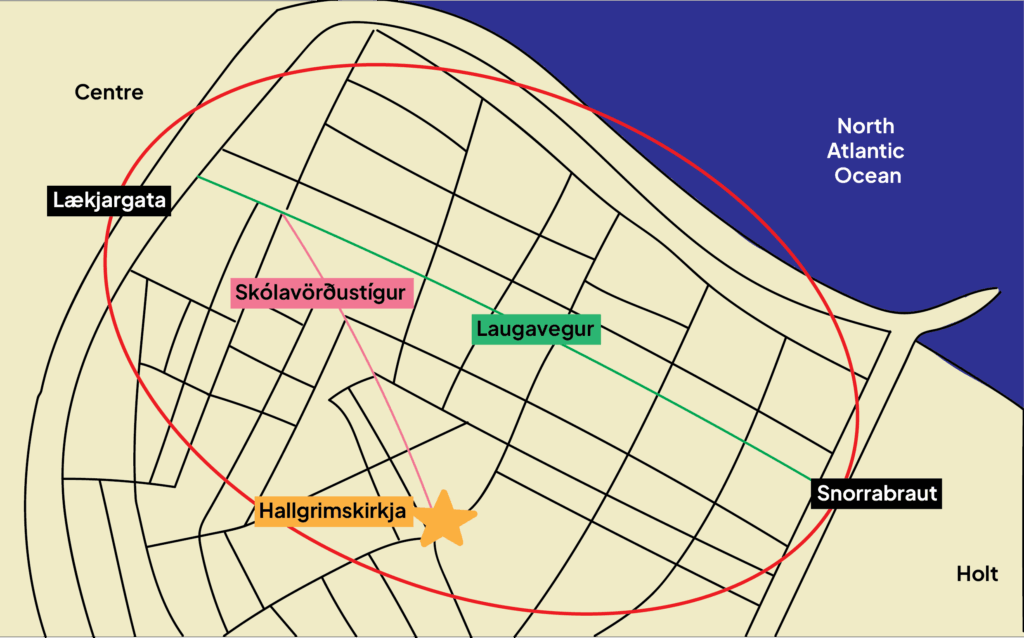
The true city center of Reykjavík spans about 10 x 10 blocks. The center is between Lækjargata and Snorrabraut, and the port and the famous Hallgrimskirkja church. At the heart of it all is Laugavegur, the main street with shops, restaurants, and bars. On the above map, I’ve also marked Skólavörðustígur, the rainbow street that leads up to Hallgrimskirkja.
Where to stay
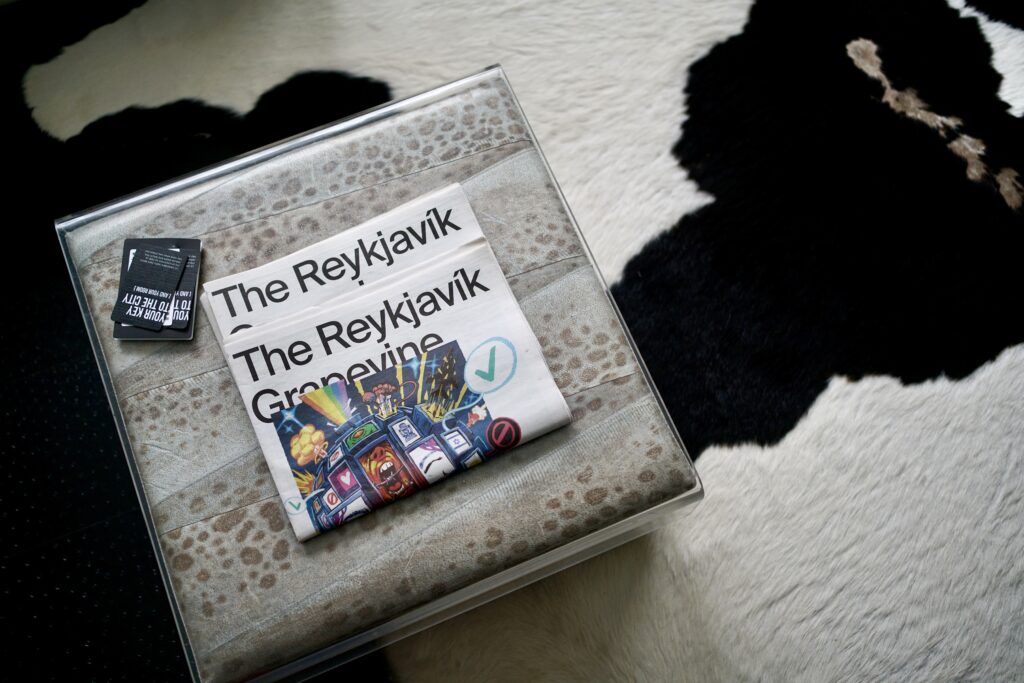
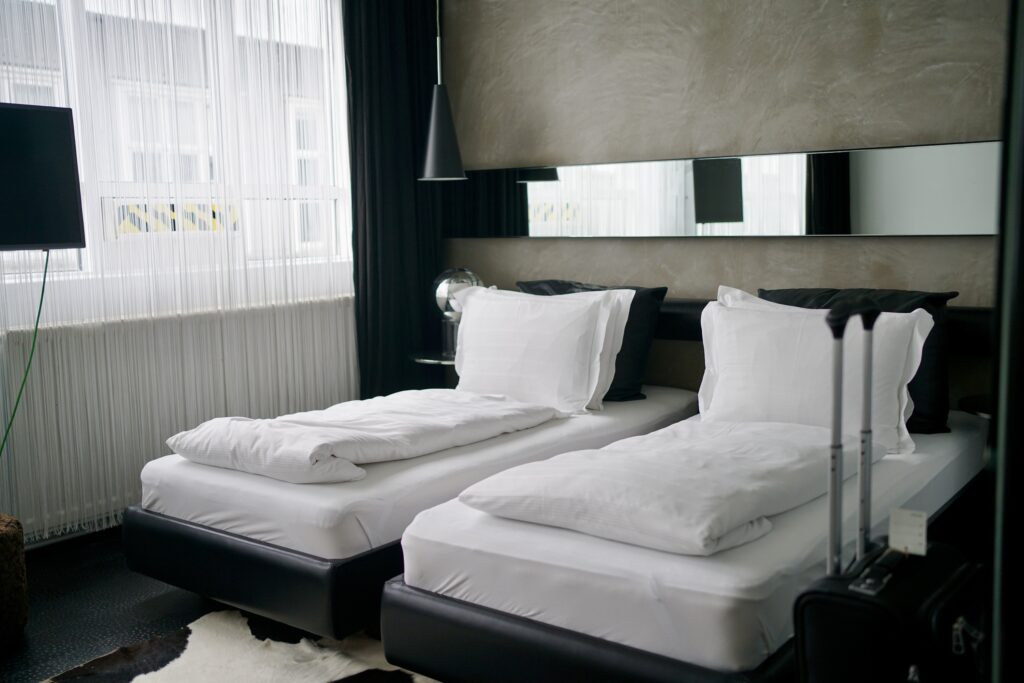
The best place to stay is within this 10-block radius found on the map above. I recommend Þingholt by Center Hotels, closer to Lækjargata on the east side of the city center. The hotel is within walking distance of all the major sights and the old harbor. Center Hotels is a chain of hotels in Iceland with a boutique-like feel. There are plenty of Center Hotels to choose from in Reykjavík.
The Hit List
The best way to get to know Reykjavík is by walking its quaint streets. This hit list features things to do while you’re out and about for the day.
Stroll along the colorful streets
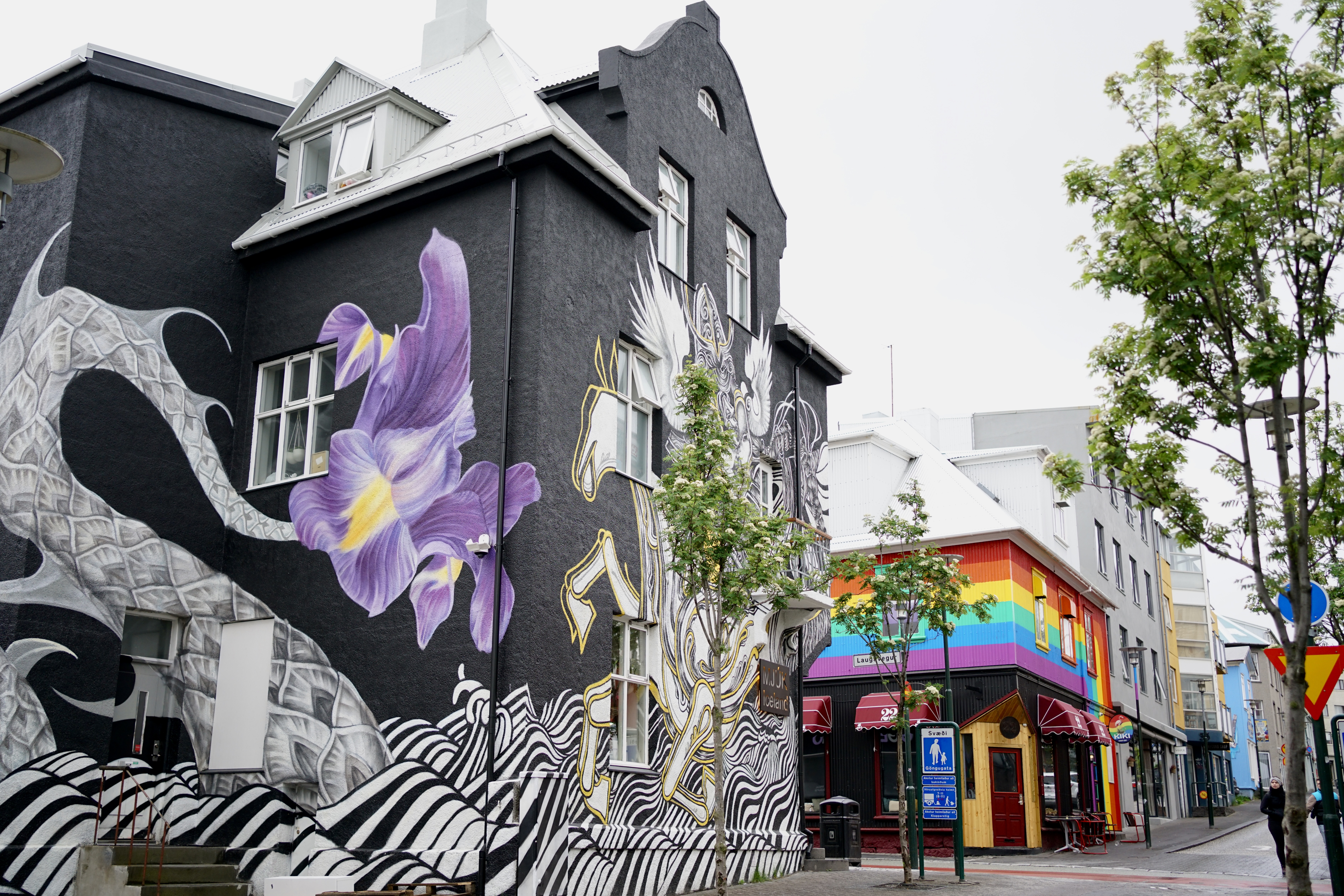
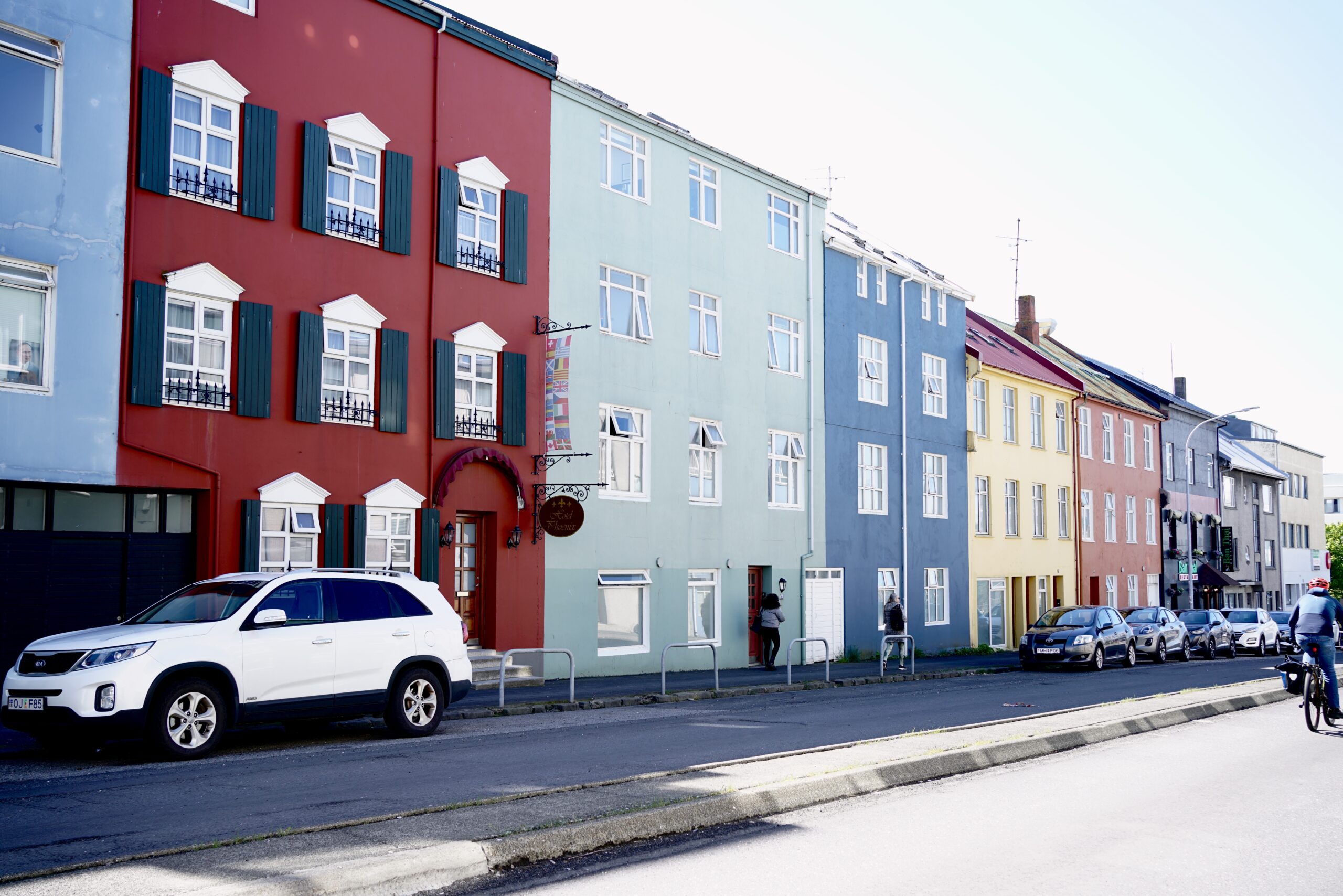
The houses and buildings in Reykjavík come in every color of the rainbow. A walk around the city center is like walking through an outdoor gallery with murals and brightly colored buildings. The facades of houses are made from corrugated iron to protect the homes from the elements.
Visit the top (and bottom) of Hallgrimskirkja
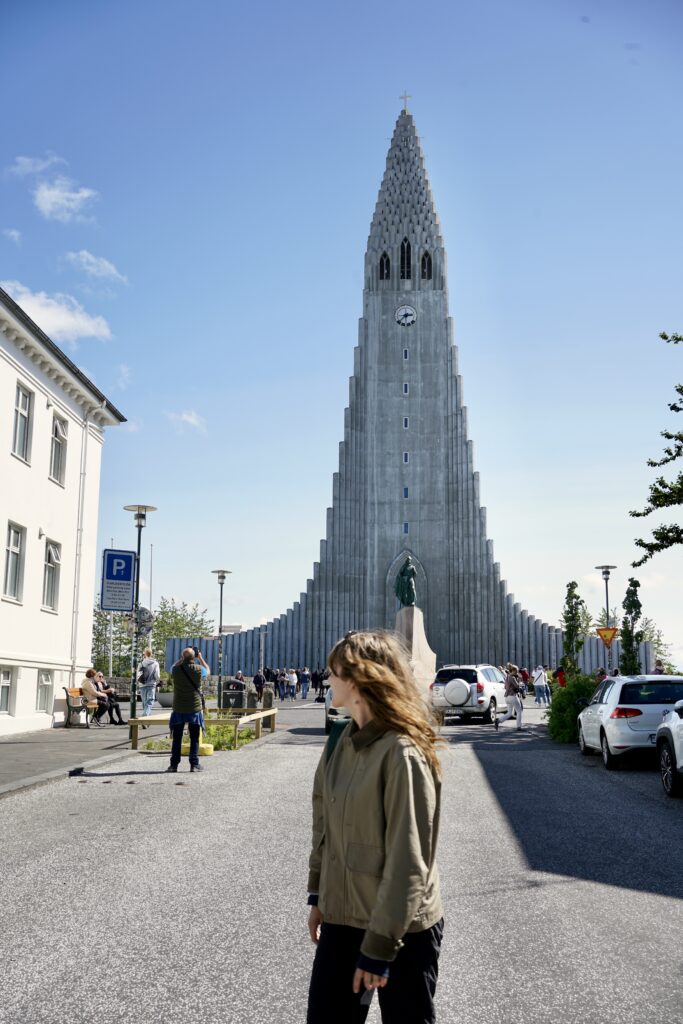
The largest church in Iceland towers above the city like a volcanic rock formation. Hallgrimskirkja has become a symbol of the small capital. The architecture was inspired by basalt geological formations found throughout Iceland. You can go to the top of Hallgrimskirkja for 1400 ISK (about $11) in the summer between 9 a.m. to 7:45 p.m. It’s one of the few places to get a rooftop view of the city since most buildings are no more than six stories tall.
Take a photo of the Skólavörðustígur rainbow street
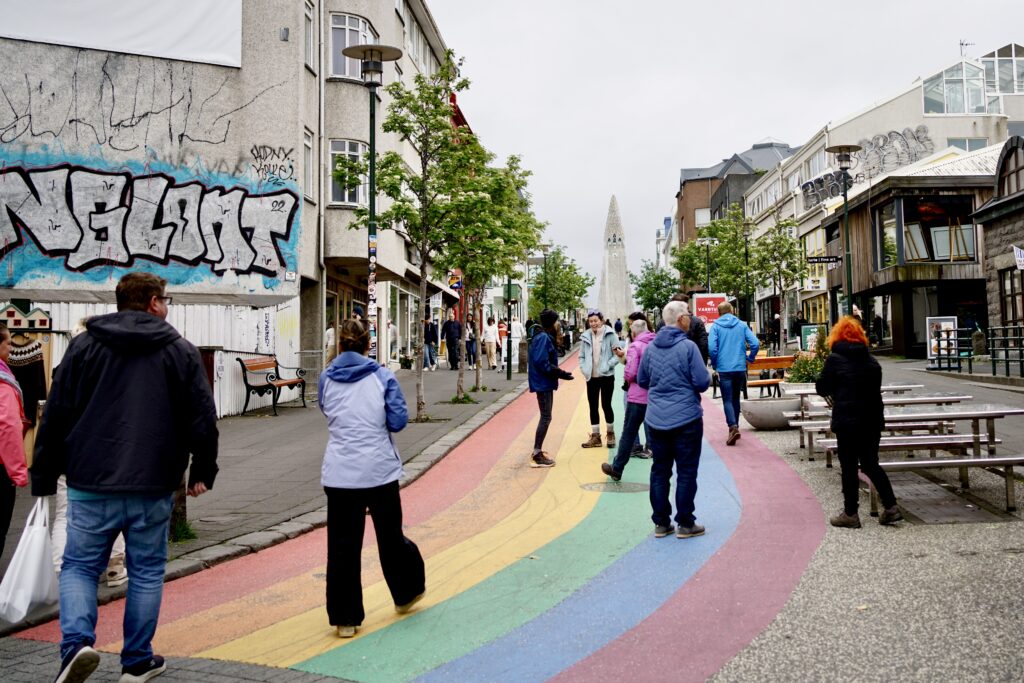
The street leading up to Hallgrimskirkja is painted in bright rainbow colors. Skólavörðustígur, better known as “The Rainbow Street” by tourists, is a pedestrian-friendly street that instantly brightens your day when you look down at the ground.
Shop on Laugavegur
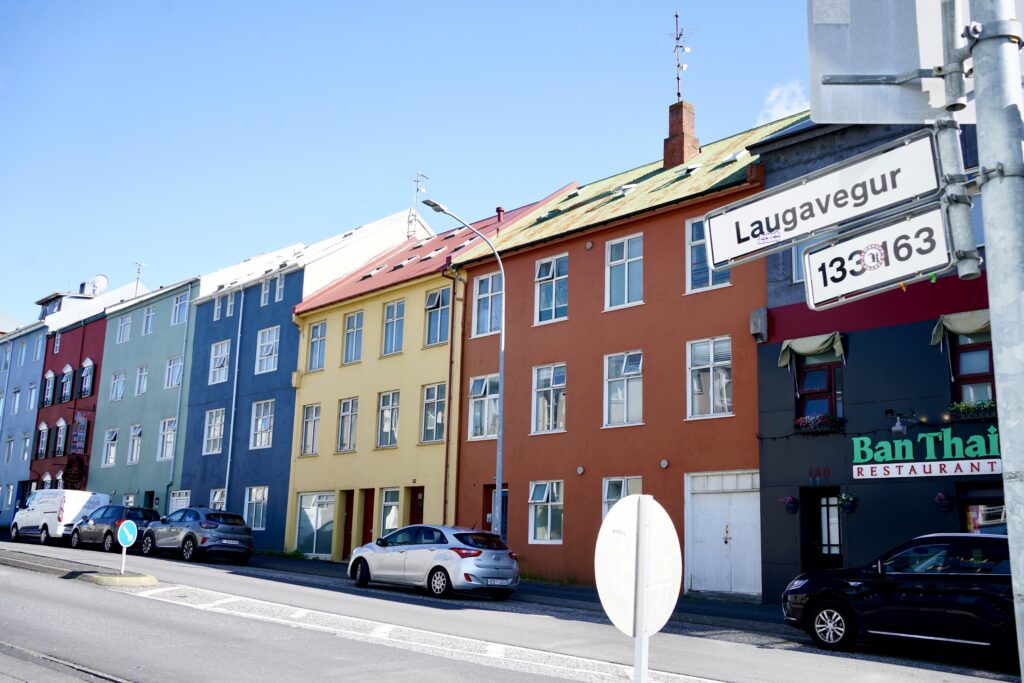
Laugavegur is the main shopping street in Reykjavík. My favorite stores are Epal, a Scandinavian home goods store, and Verzlanahöllin, a secondhand shop where locals go to find deals. On Laugavegur is where you’ll find an overwhelming amount of souvenir stores with puffin merch.
Embark on an Icelandic hot dog and cinnamon bun tour
Iceland is known for great hot dogs and cinnamon buns, so what better way to have lunch than with a savory dog and a sweet bun for dessert?
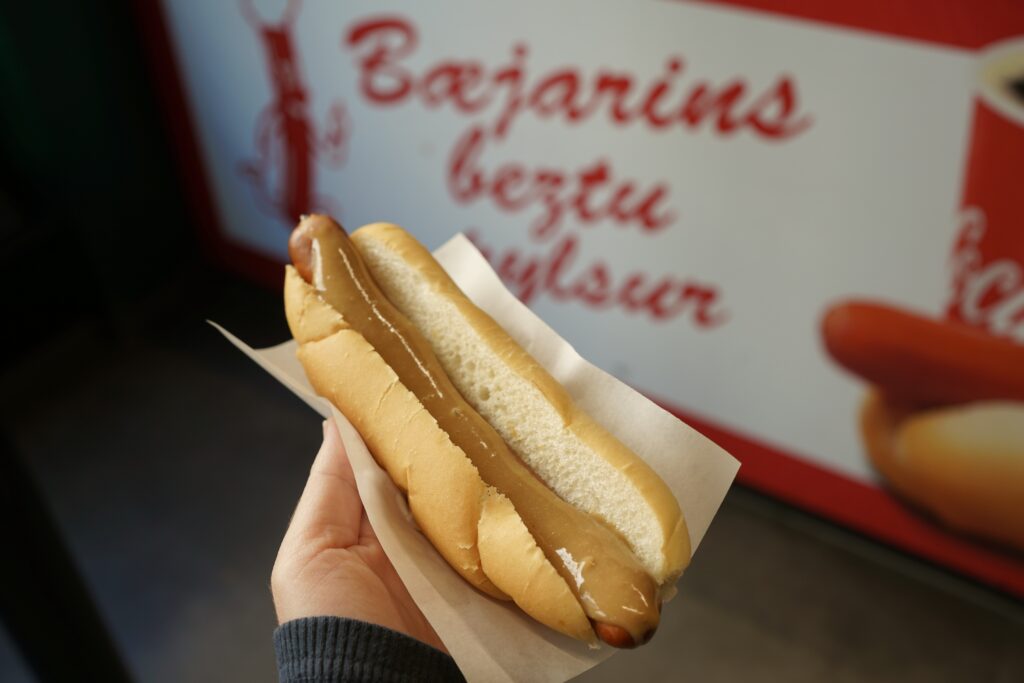
The most famous hot dogs are Bæjarins Beztu Pylsur. This casual hot dog stand sells classic Icelandic hot dogs made from lamb, beef, and pork. Traditionally, Icelandic hot dogs are topped with ketchup and sweet brown mustard.
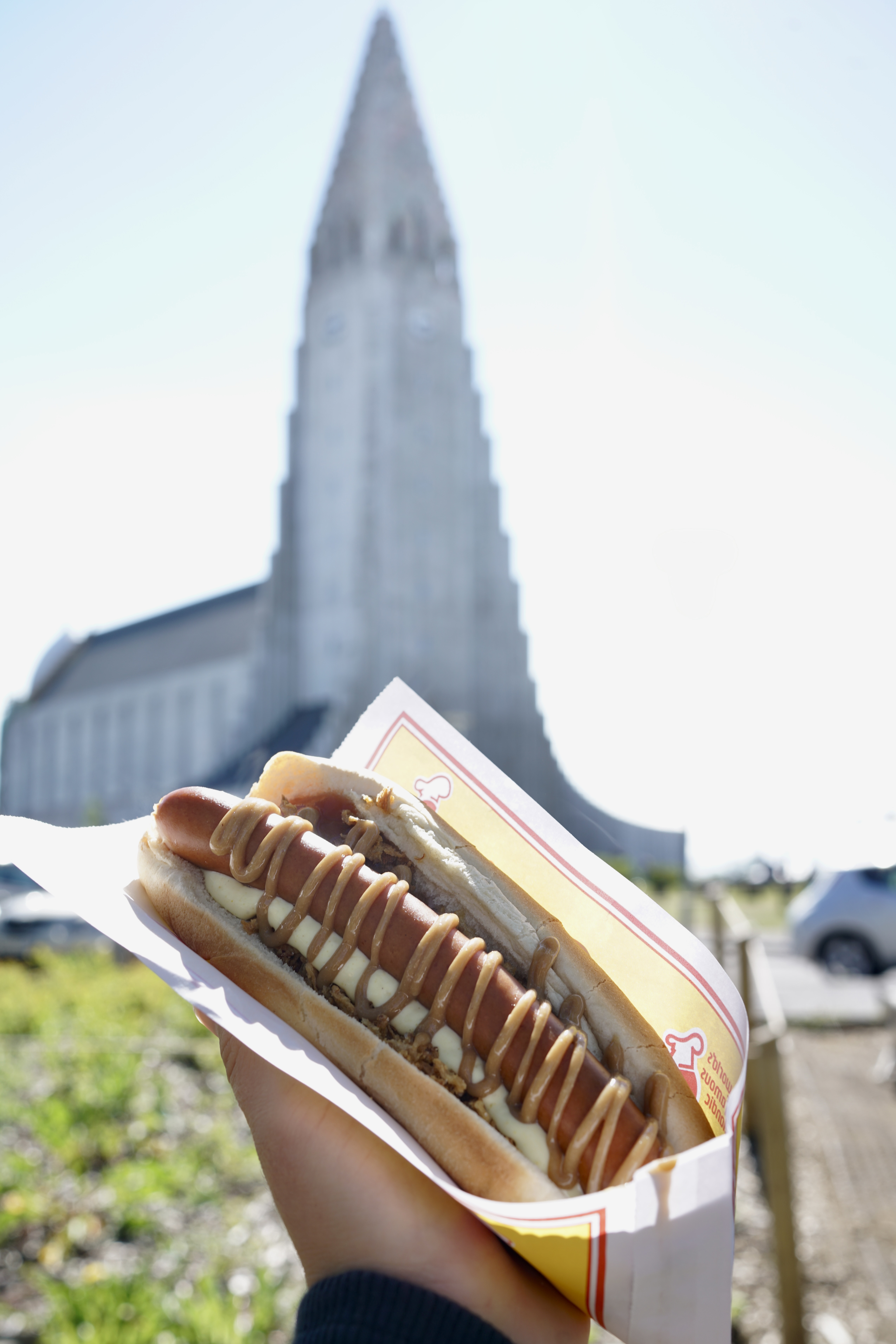
For an elevated Icelandic hot dog, go to Víkinga Pylsur right by Hallgrimskirkja. Víkinga Pylsur serves more gourmet versions of the classic with extra toppings.
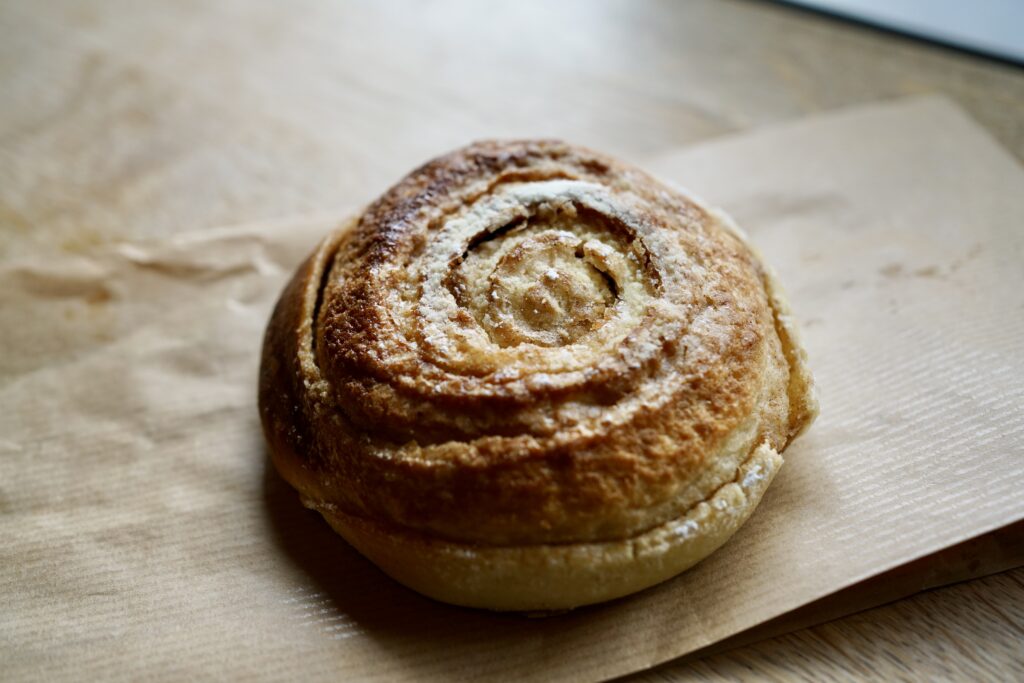
As for cinnamon buns, the best cinnamon buns for a soft, gooey center are at Brauð & Co. Around the corner, Sandholt Bakery also has great cinnamon rolls with a laminated pastry dough.
Relax at a lagoon for a spa day
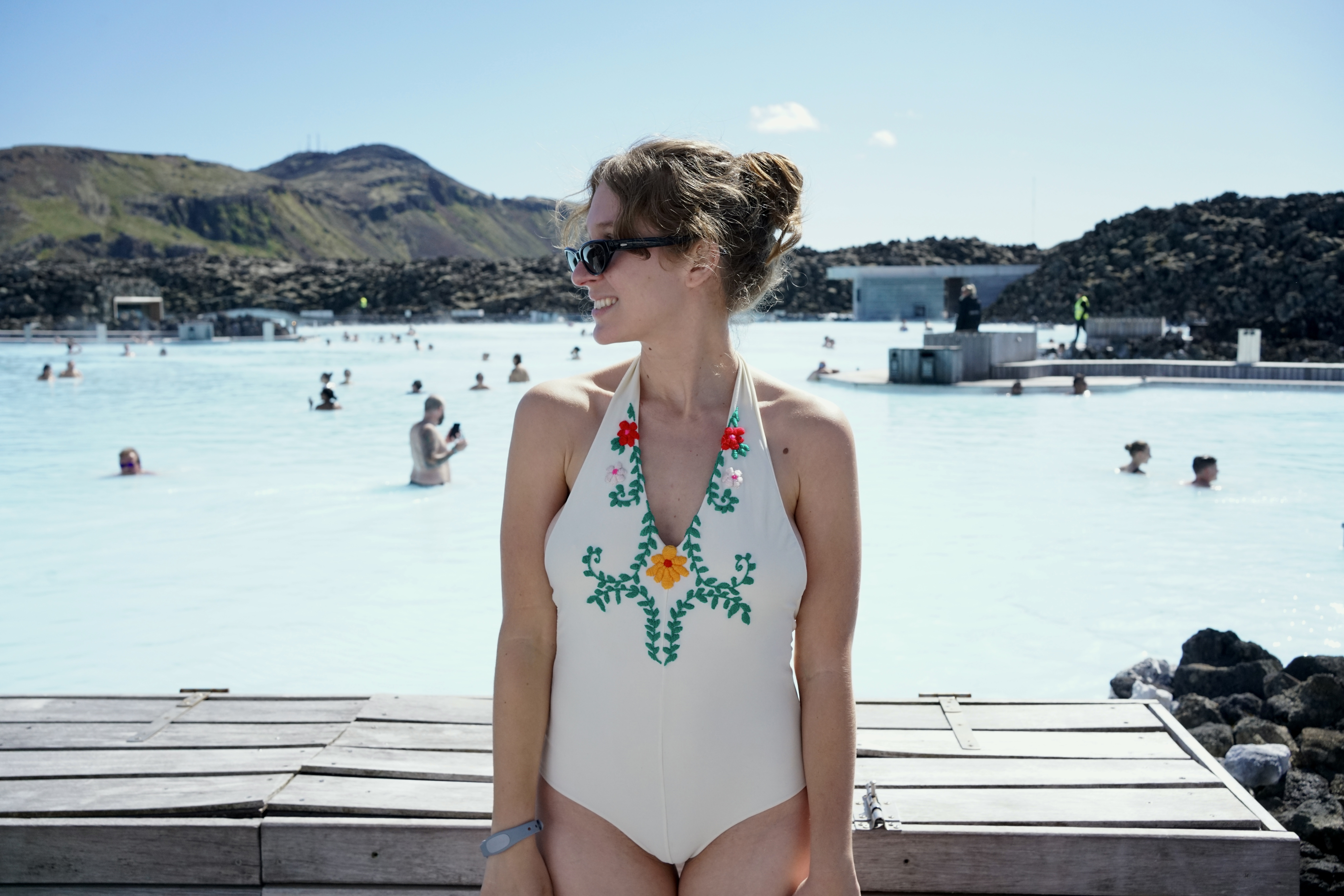
There are two geothermal spas near Reykjavík: the Blue Lagoon and the Sky Lagoon. The Blue Lagoon is the famous spa you’ve seen on social media and in movies. It may have even inspired your trip to Iceland.
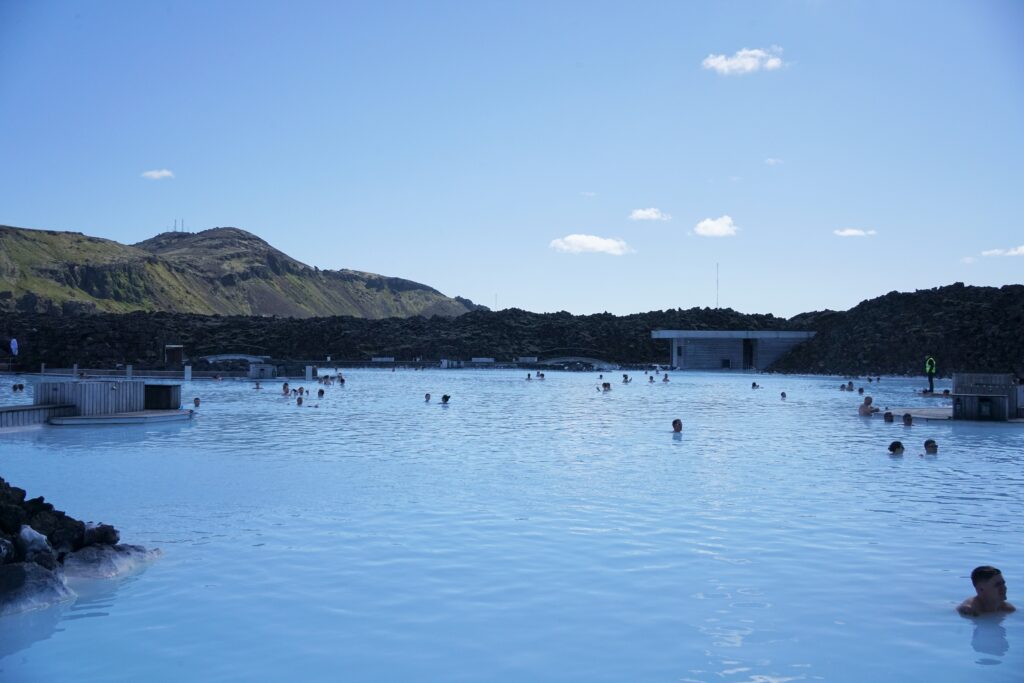
The Blue Lagoon is a man-made lagoon heated by geothermal energy from a nearby power plant. It gets its blue tint and healing powers from silica found in the water. It’s best to visit the Blue Lagoon right after you land or before you leave because it’s very close to the international airport.
The Sky Lagoon is a newer geothermal spa experience, only 15 minutes from downtown Reykjavík. It feels more like a proper spa with a seven-step ritual that includes cold plunges and a steam room. The Sky Lagoon is located right on the water with a view of the ocean.
Both lagoon experiences sell out weeks in advance for peak times, so make sure to book your spa experience at least a month before your trip to Reykjavík.
Get out of town
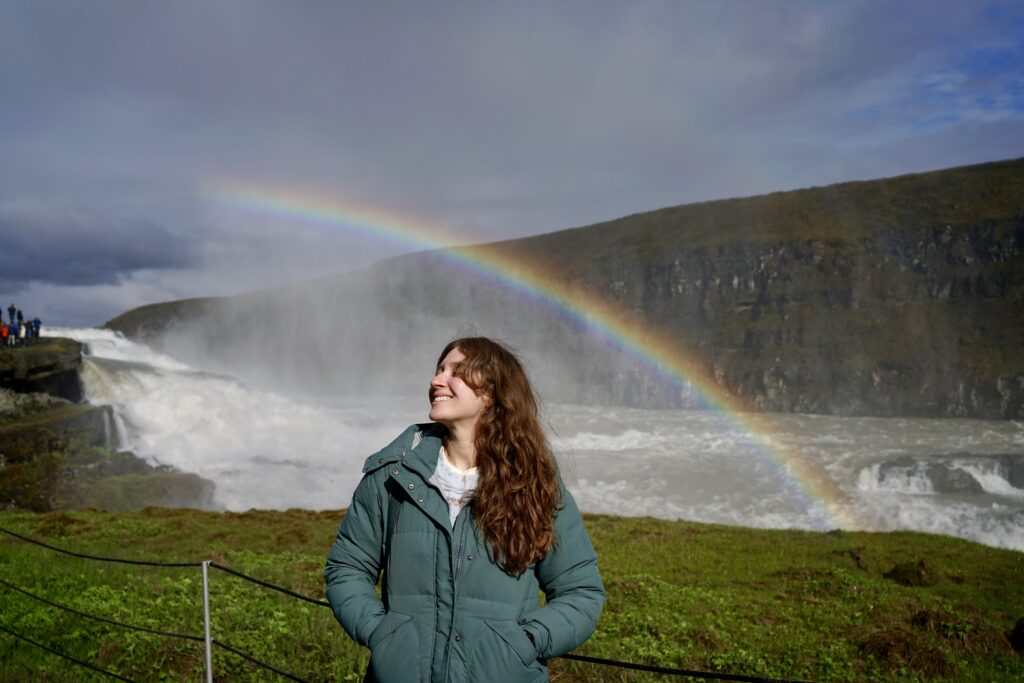
The best part of Reykjavík is its accessibility to nature. From cold glaciers to geothermal hotbeds, Iceland has some of the most beautiful landscapes in the world. Go on a day trip or multi-day adventure from Reykjavík to the Golden Circle, South Coast, or Snæfellsnes Peninsula.
Other things to do
Reykjavík harbor
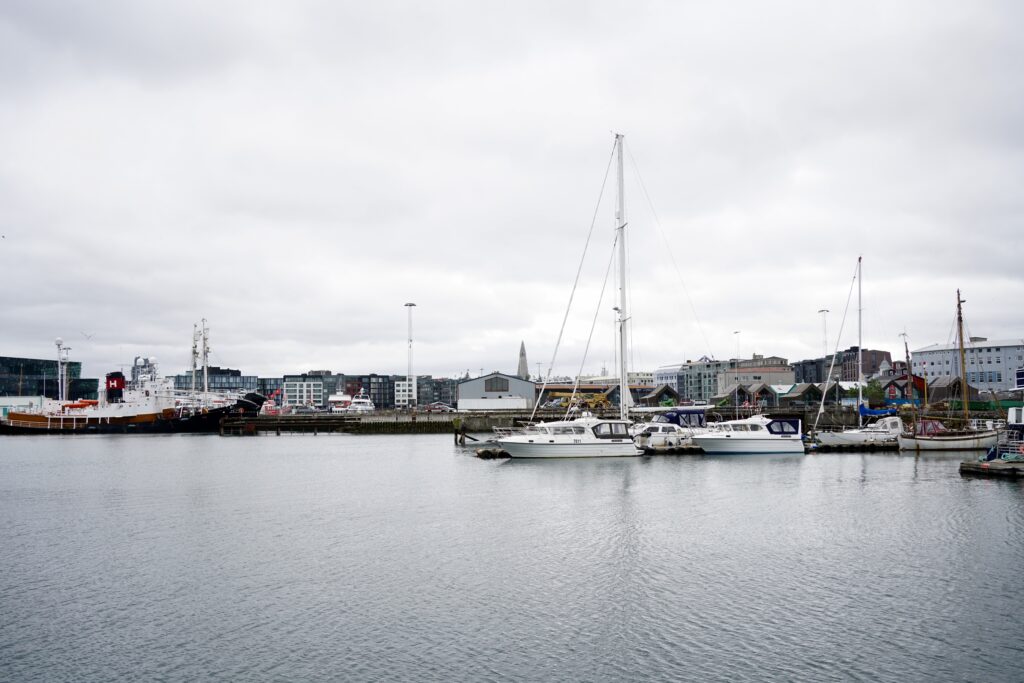
To go back to Reykjavík’s fishing roots, go for a walk at the Reykjavík harbor. It’s about a 20-minute walk to the tip of the harbor. At the tip you’ll find you’ll Þúfa, a green hill art installation that looks out to the North Atlantic Ocean.
The warehouses in Reykjavík harbor have been turned into a mini tourist hub with experiences and museums like FlyOver Iceland and the Saga Museum.
The Perlan Museum
The Perlan is the natural history and science museum of Reykjavík. It sits on a hill with 360-degree views of the city. It’s a good place to go if you’re looking to kill time, but it has a steep price point at around 50 USD per ticket.
Reykjavík Art Museum
The Reykjavík Art Museum has three locations, all showcasing modern Icelandic art. You can visit all three of them in one day with a single admission ticket. The location closest to the action is Hafnarhús by the old harbor.
Vesturbæjar
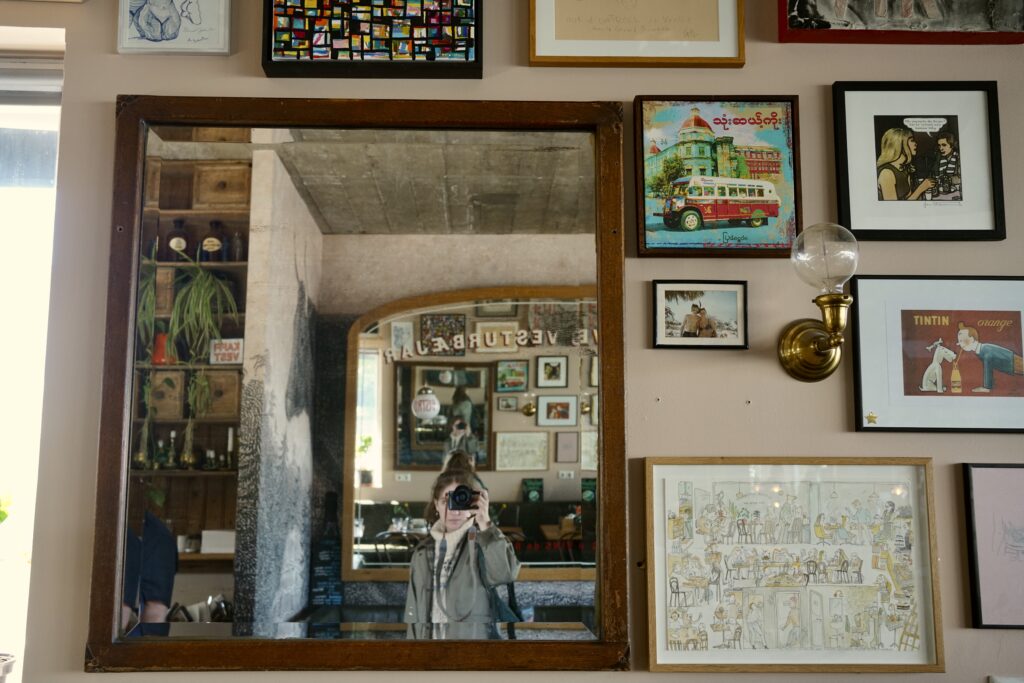
Vesturbæjar is one of the oldest parts of the city. It’s a more residential neighborhood with cute cafes to the west of the city center.
Seltjarnarness town
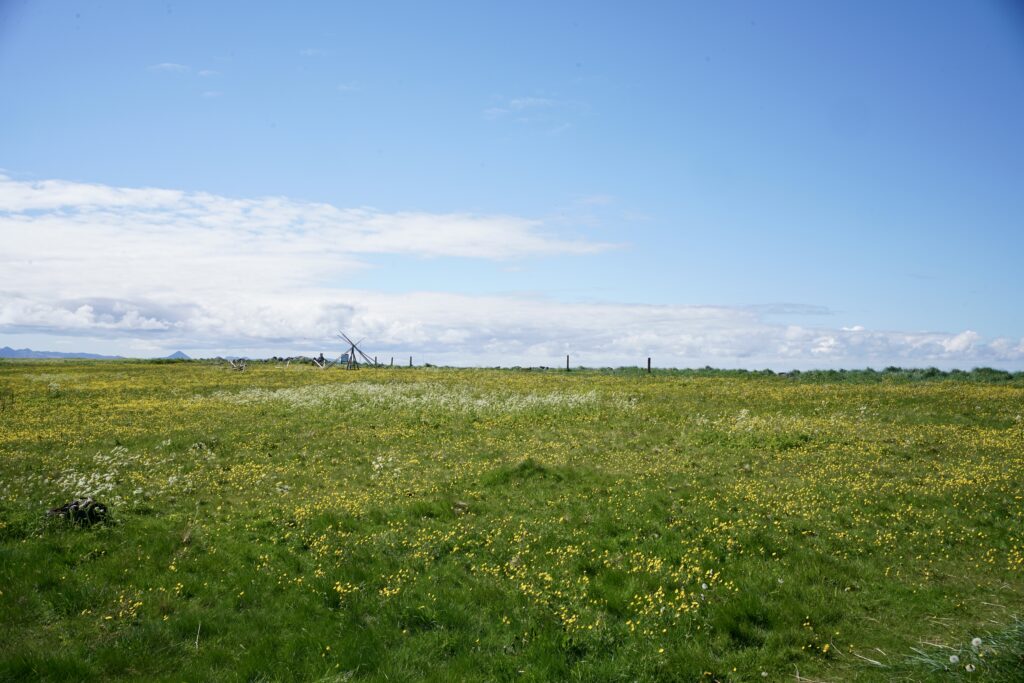
Even further west than Vesturbæjar is Seltjarnarness, another residential area on a peninsula by the water. On the weekend, locals bike and run on a path along the bay. We hung out here before driving to the airport to sit by the ocean.
When to go
Despite its long, dark winters, Reykjavík is a year-round destination. The summer is the perfect time to explore Iceland’s natural beauty under the midnight sun, but the winter gives visitors the chance to see the awe-inspiring northern lights.
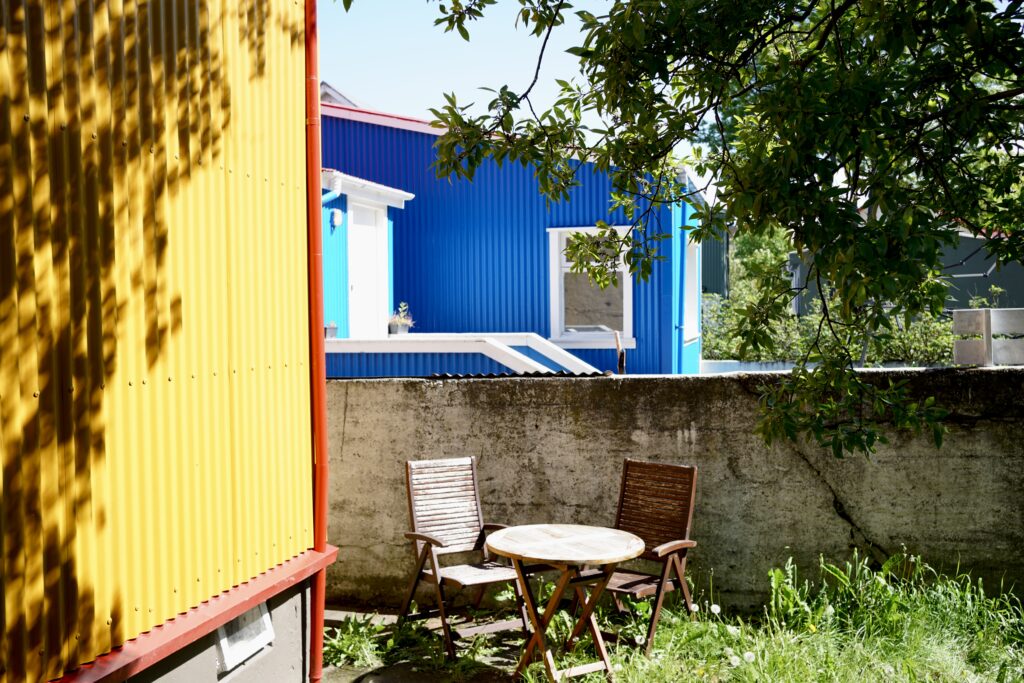
The best time to visit for long sunny days with the least amount of rain and tourists is mid-to-late May. In May, the sun doesn’t set until past 10 p.m., but you still get some darkness for a good night’s rest.
To see the northern lights, visit during October or March for the warmest viewing experience.
Weather
Even in the summer, Iceland is still, well, ice-land. Although the temperature on the weather app seems high in the 50s or 60s, the wind chill will make it feel much colder. The weather in Iceland can be a bit unpredictable, with rainclouds in the morning and blue skies in the evening.
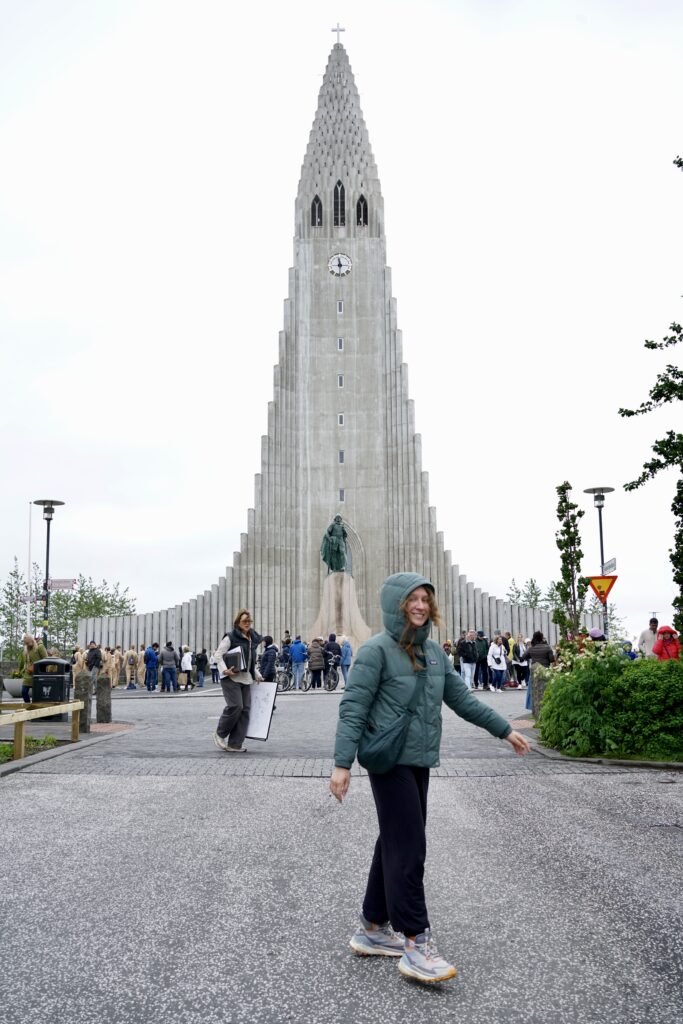
Make sure to pack a weather-resistant puffer jacket to protect yourself from the wind and rain. Under your jacket, wear lightweight layers to be prepared when the sun comes out.
Currency + budgeting
The currency in Iceland is Icelandic króna. It’s about 8 USD to 1,000 ISK. Luckily, almost every place in Iceland accepts credit cards (even in remote locations), so you don’t need cash.
Like most island destinations, Iceland is pricier than the mainland. To save money and still have a great time, opt to visit during shoulder season. May is the perfect balance of good weather and good prices.
A typical dinner without alcohol will run you about 40 to 50 USD, and cocktails can be upwards of $20. To save money, you can opt for lunch specials at nicer restaurants or a delicious Icelandic hot dog on the street.
Getting around
Reykjavík is extremely walkable, so as long as you stay in the city center, you’ll be able to walk to all the points of interest.
If you are planning on exploring areas outside of Reykjavík during the summer, you need to rent a car. Driving in Iceland during the winter can be hazardous for tourists because of the intense wind. You can still get out of town on a guided bus tour where you let the professionals do the driving.
Parking in Reykjavík
There is plenty of street parking in Reykjavík, but it can be a bit tricky to navigate. Parking in the city is divided into five zones: P1, P2, P3, P4, and P5, with P1 being the most expensive and P5 being the least expensive. You want to avoid parking in a P1 space because it only has a maximum of three hours. If you want to park overnight, you need to find P2-P5 parking. The closer to the water you get, the cheaper the parking will be.
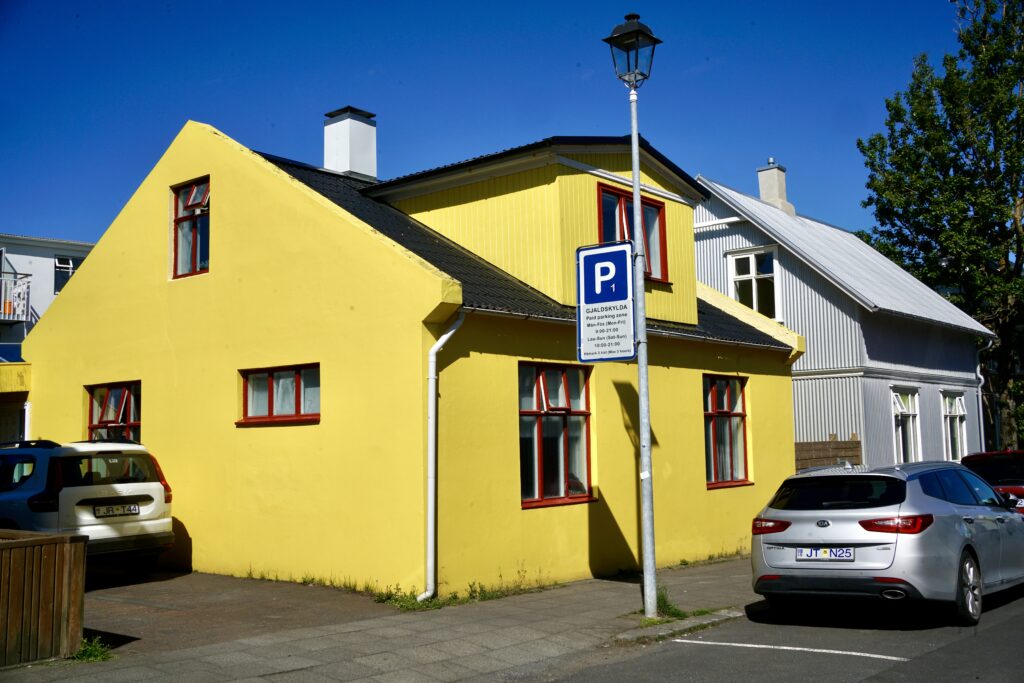
The easiest way to pay for parking is through the Parka app. It will pinpoint where you parked based on your phone’s location. Don’t forget to alert the Parka app when you leave a parking space, or you will continue to be charged by the hour.
More city guides


Reply