
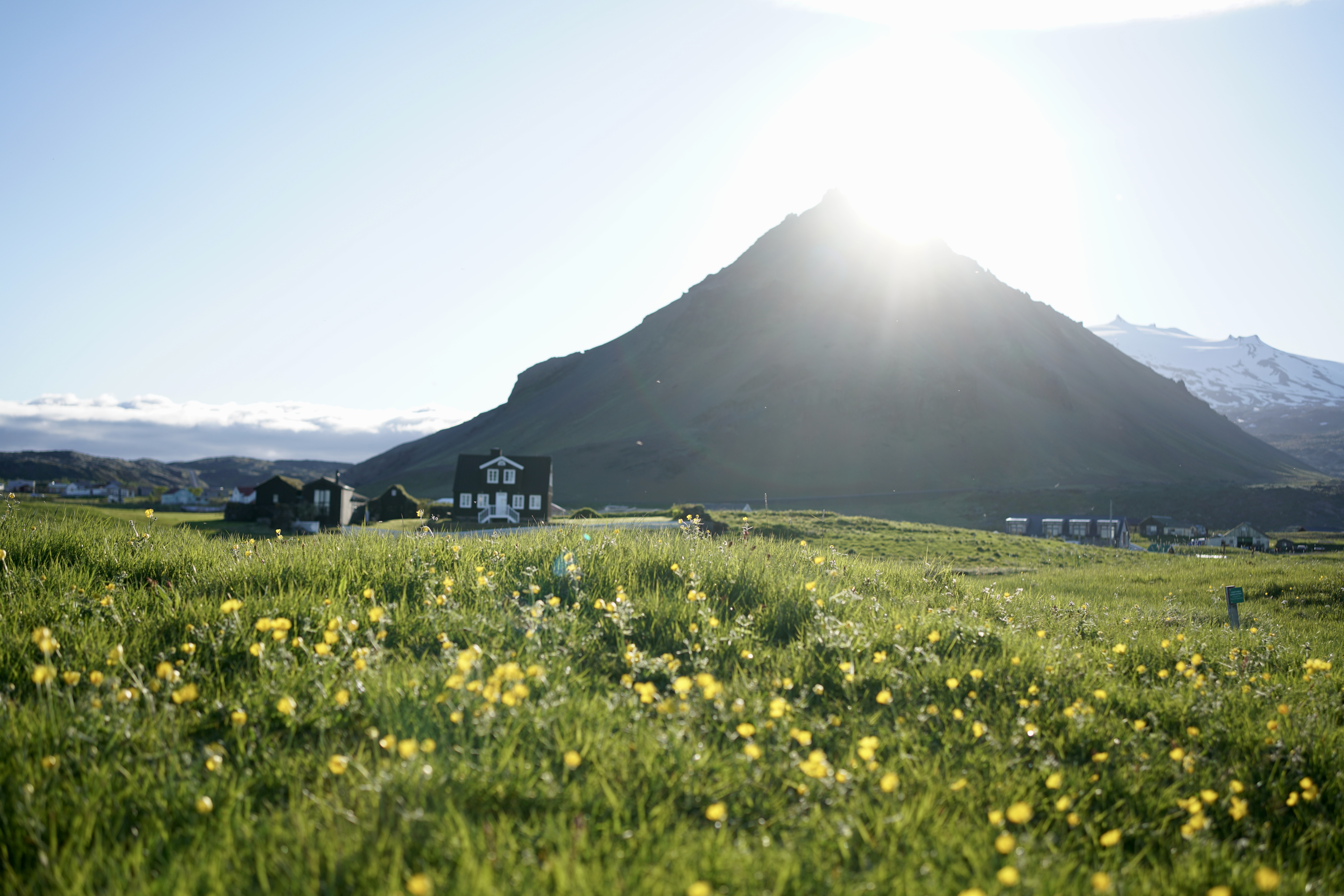
When the ice thaws, Iceland comes alive, transforming into a playground for the adventurous. The warmer, longer days of summer give visitors plenty of daylight to explore its lush rolling hills and ancient frozen glaciers (yes, even in the summer, this is Iceland after all).
What’s truly special about Iceland is how accessible its incredible nature is for everyone, from young kids to those young at heart. You don’t need to go very far to see the beautiful landscapes. Breathtaking views are typically just a quick stop away on Iceland’s main highway.
There are endless things to do in Iceland around the corner of every bend. With so much to see, knowing what to stop for can be a challenge. That’s where this guide comes in. Use this list of things to do as your ultimate bucket list for a memorable trip to Iceland.
Let’s get into it.
Drive the Ring Road (Route 1) of Iceland
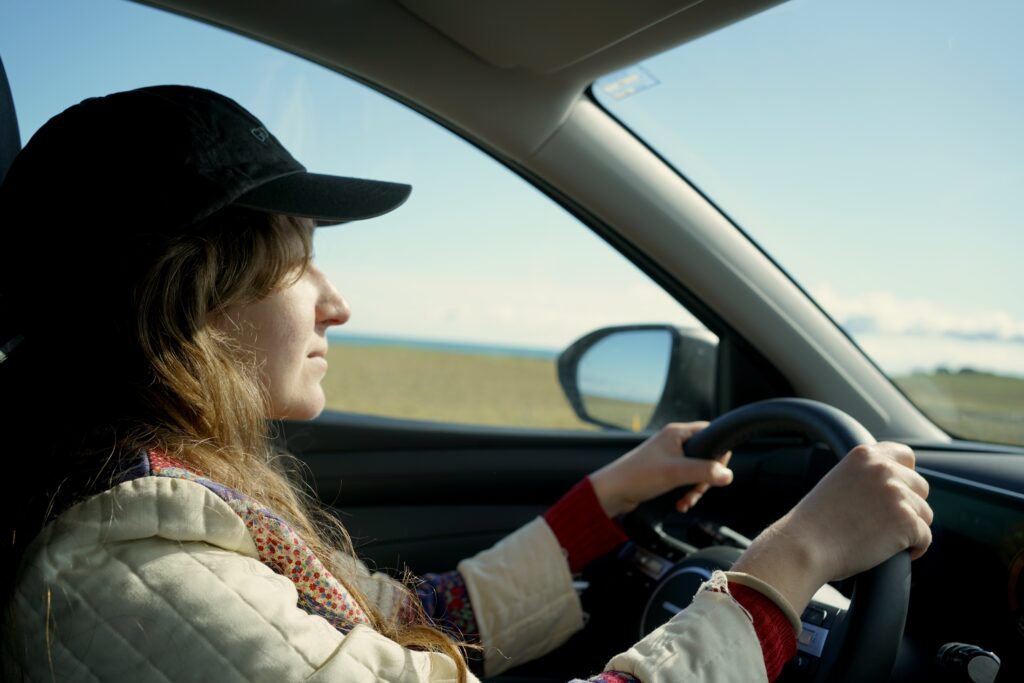
The best way to see Iceland and all the things to do on this list is to drive Route 1, better known as the “Ring Road.” With proper stops, the drive will take you about a week (give or take a day). Mostly everything is a short detour off the Ring Road, but the drive itself is magical with breathtaking views and opportunities to see wildlife.
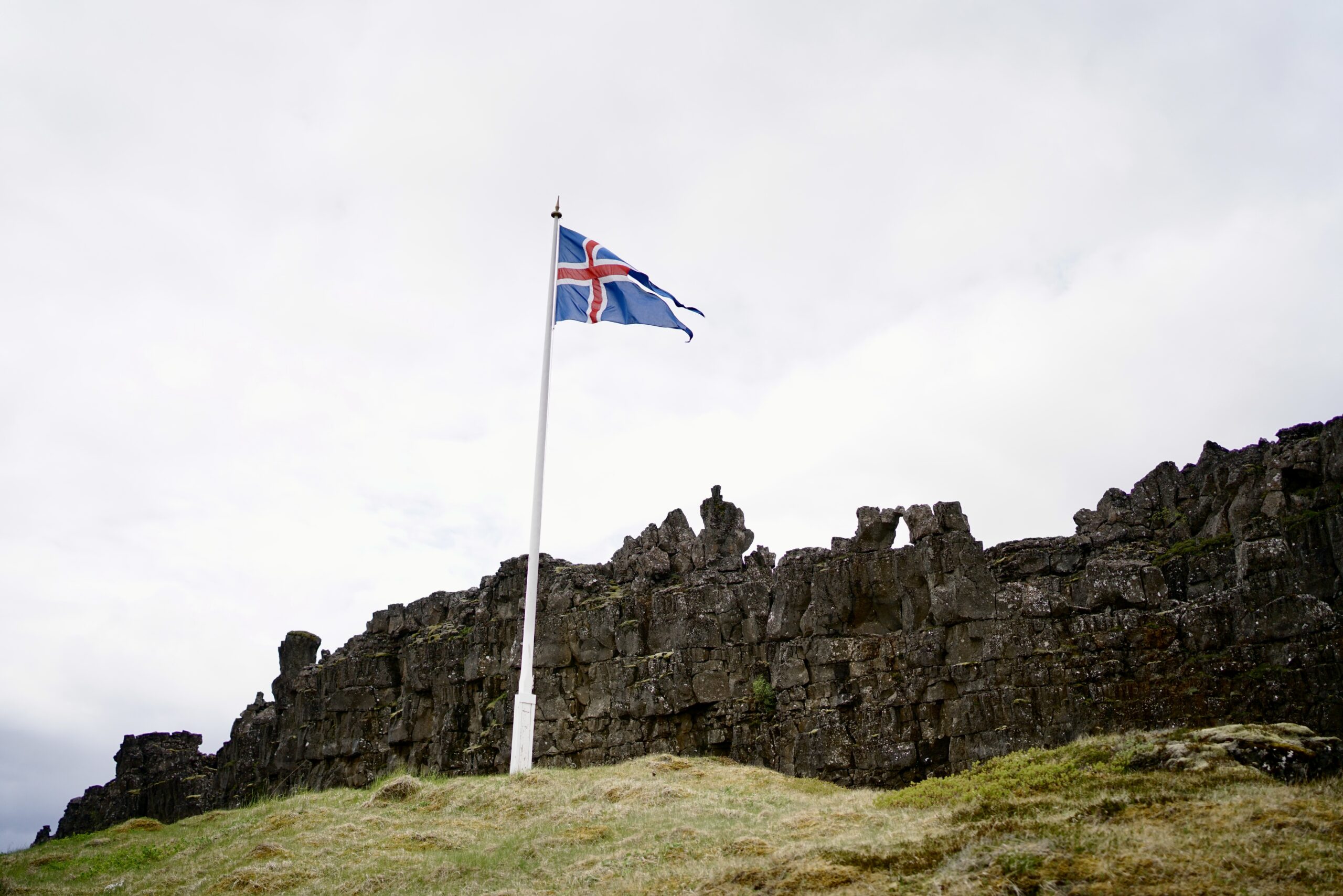
Journey through Þingvellir National Park and the Golden Circle
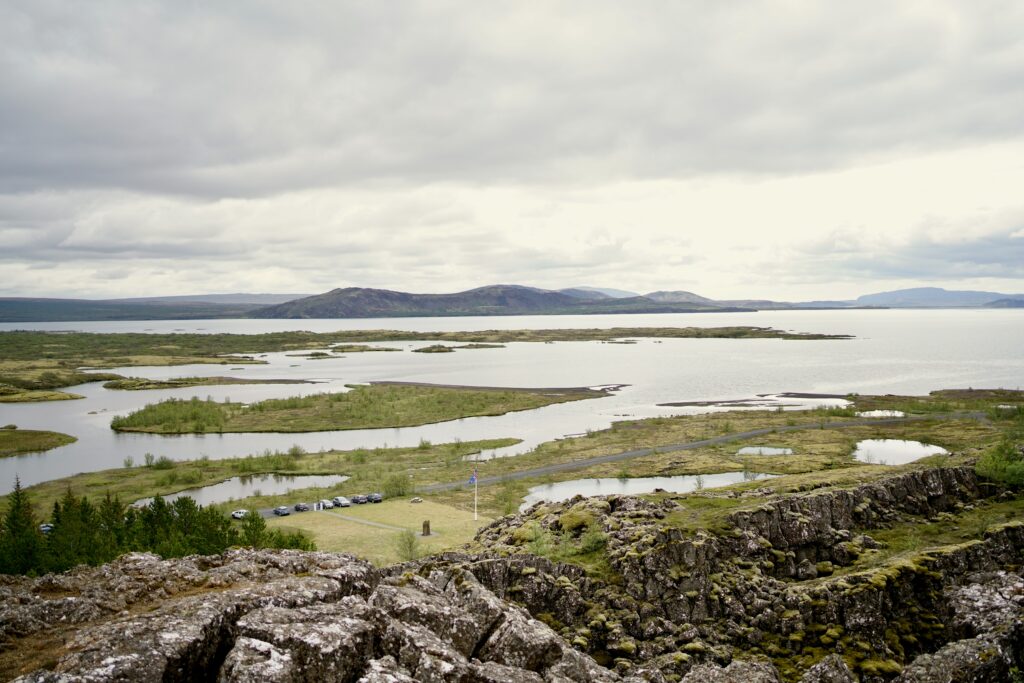
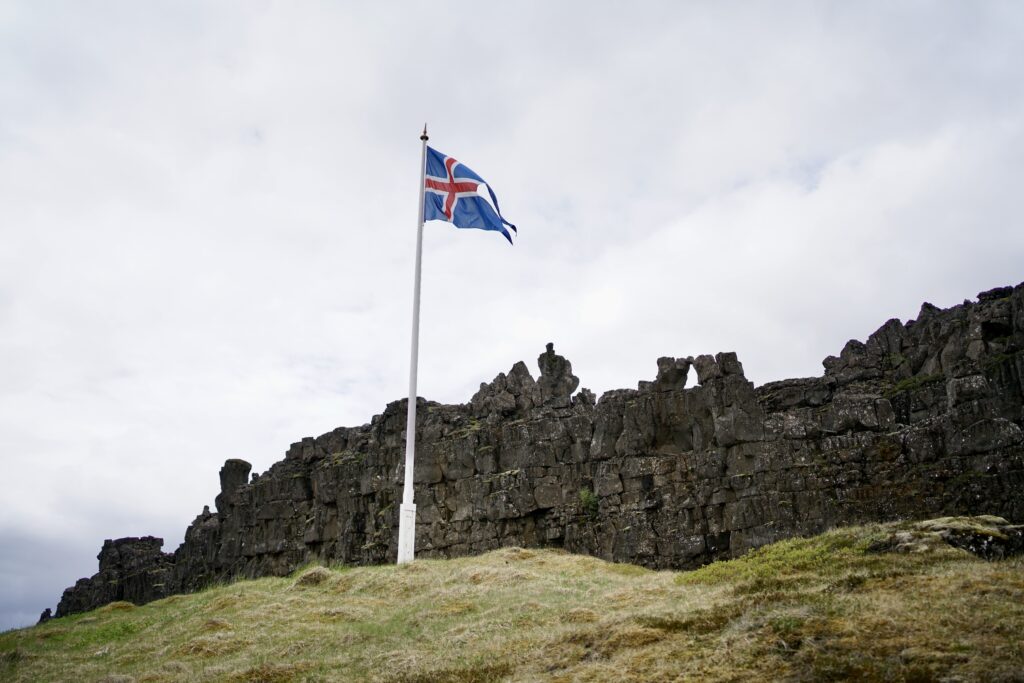
The Golden Circle is a loop drive from Reykjavík that takes adventurers on a journey through Þingvellir National Park, geothermal areas, and gorgeous waterfalls. More than just a park, Þingvellir National Park is deeply rooted in Icelandic history with monuments and Norse legends.
In Þingvellir, you can scuba dive dive in between continental plates in Silfra, visit quaint churches and Icelandic landmarks, and hike between waterfalls.
Watch the Strokkur geyser erupt
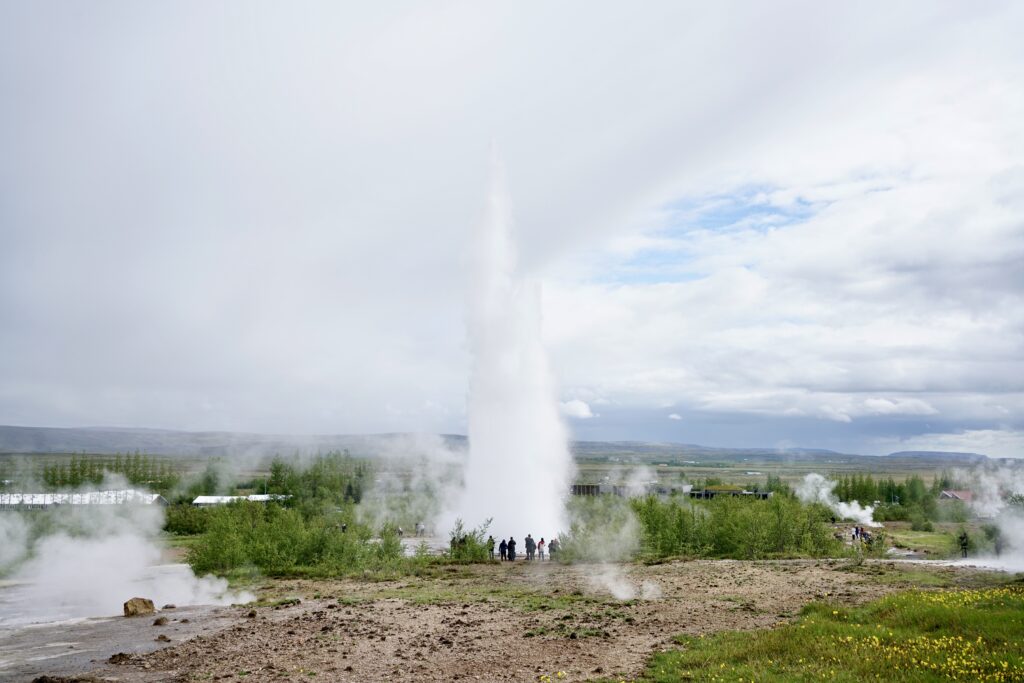
Every five minutes, a geyser erupts in the Haukadalur geothermal area. See the Strokkur geyser blast water high into the sky in a powerful display of nature. Around the geothermal area, you’ll find bubbling and bright blue chromatic pools.
Peer into a volcanic crater
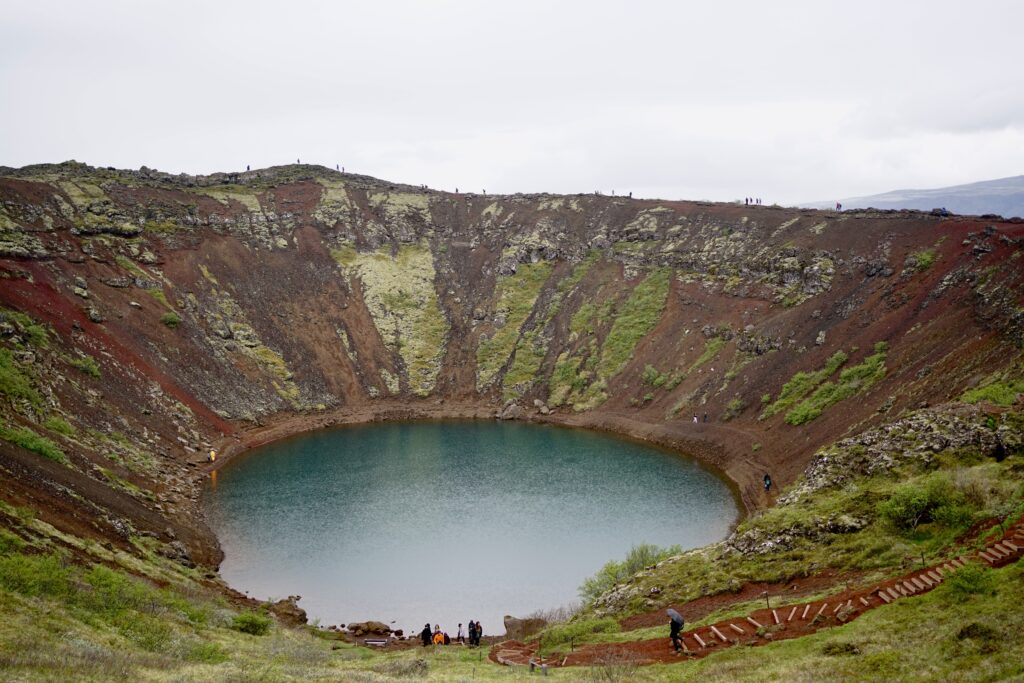
Gaze down into the depths of a dormant volcano like Kerið near the Golden Circle or Lake Viti in the north. Most volcanic craters are filled with bright blue water that contrast the orange and green landscape around it.
Witness the power of waterfalls
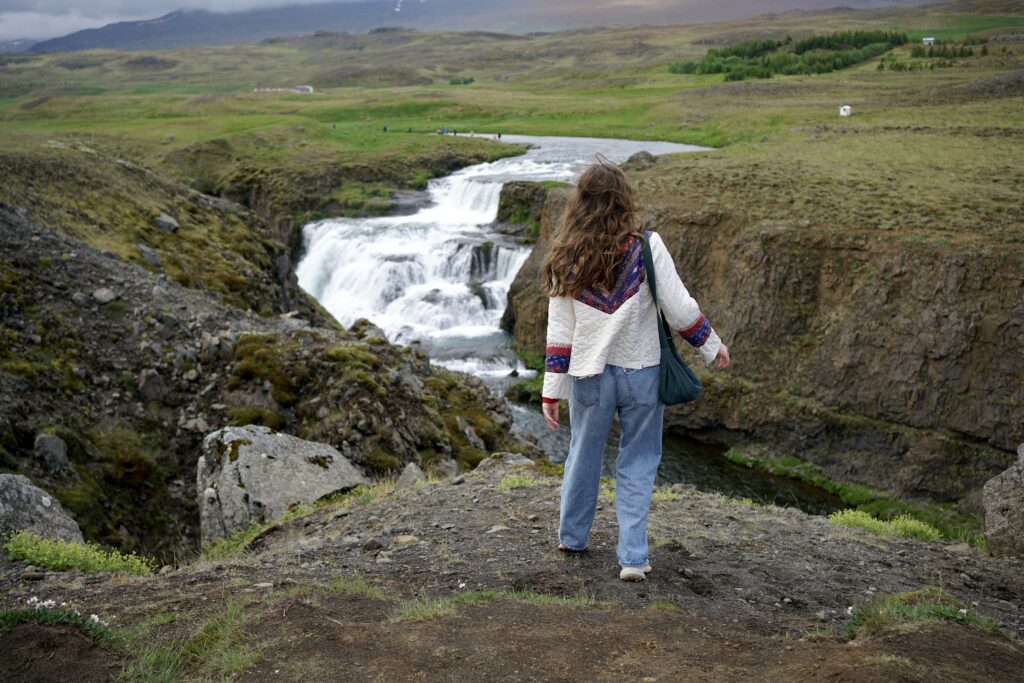
Speaking of waterfalls, Iceland is full of them. The water from the Icelandic Highlands has to fall somewhere, so there are over 10,000 waterfalls across the island. “Foss” in Icelandic means waterfall, so the names of each waterfall are similar.
Here are some of the best waterfalls to discover:
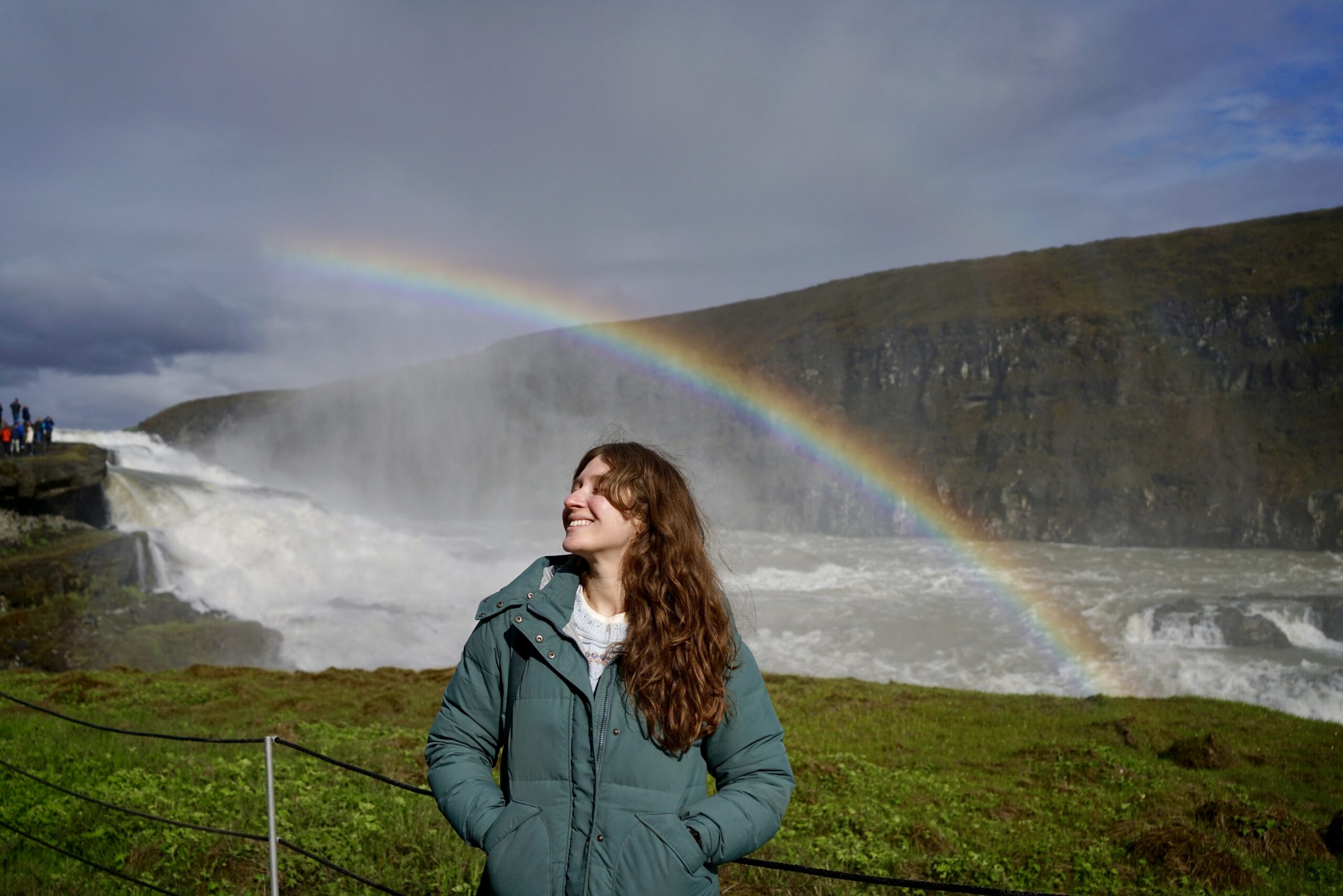
Gullfoss: An expansive waterfall at the end of the Golden Circle
Öxarárfoss: A historic waterfall in Þingvellir National Park
Dettifoss: The second-most powerful waterfall in Europe
Gljúfrabúi: A hidden waterfall off the Ring Road’s near Seljalandsfoss
Skógafoss: A picturesque waterfall on the south coast
Reykjafoss: A waterfall in the north with bright blue water near a geothermal hot spring
Trek through scenic landscapes
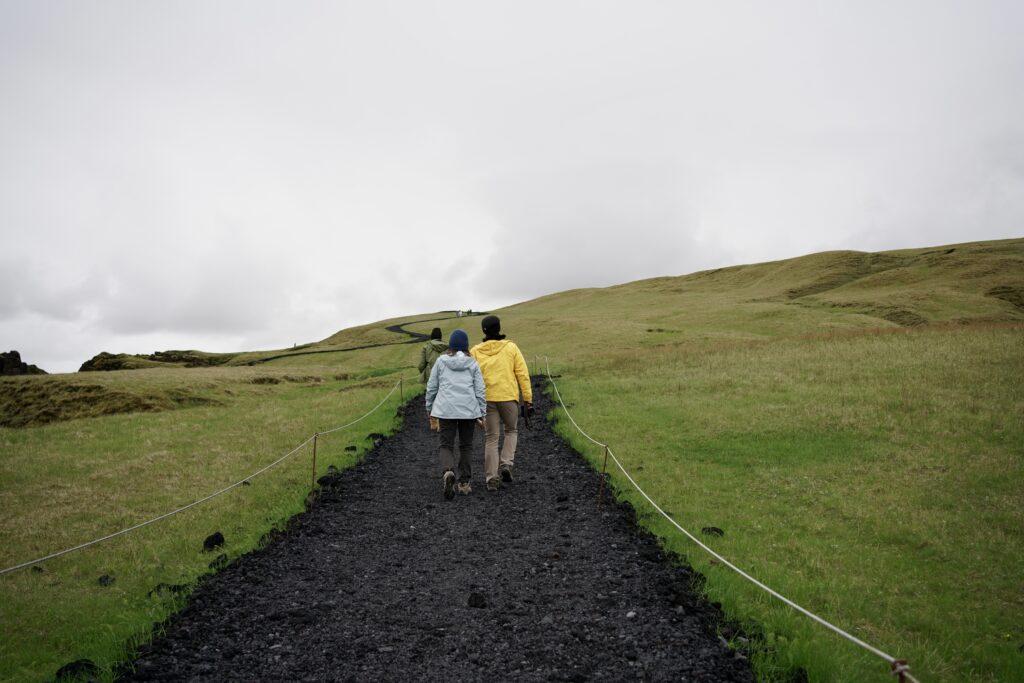
Go on a hike and explore Iceland’s natural beauty. Many waterfalls, canyons, and fjords have short hikes before you reach the viewpoint.
A great resource for finding local trails that are a bit more challenging (and rewarding) is AllTrails. There are also guided hikes and tours through more rugged terrain in the Highlands and through glaciers.
Relax in an iconic geothermal spa
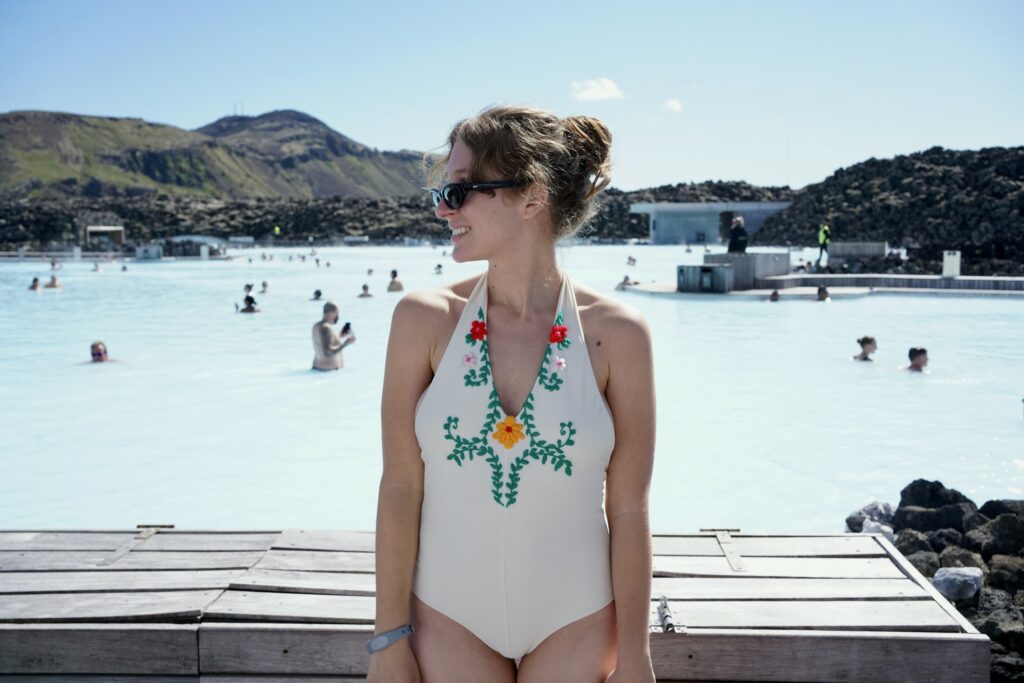
Iceland is most famous for the Blue Lagoon, a geothermal spa with a blue tint that is said to have healing properties. The Blue Lagoon is close to the international airport in Keflavík, making it the perfect stop to relax before or after your adventures around Iceland. You can spend a few hours swimming, putting on face masks, getting a drink, and even using the new steam rooms and saunas.
Another popular spa is the Sky Lagoon on the outskirts of Reykjavík’s city center. The Sky Lagoon has a view of the ocean and a seven-step ritual to help you further unwind.
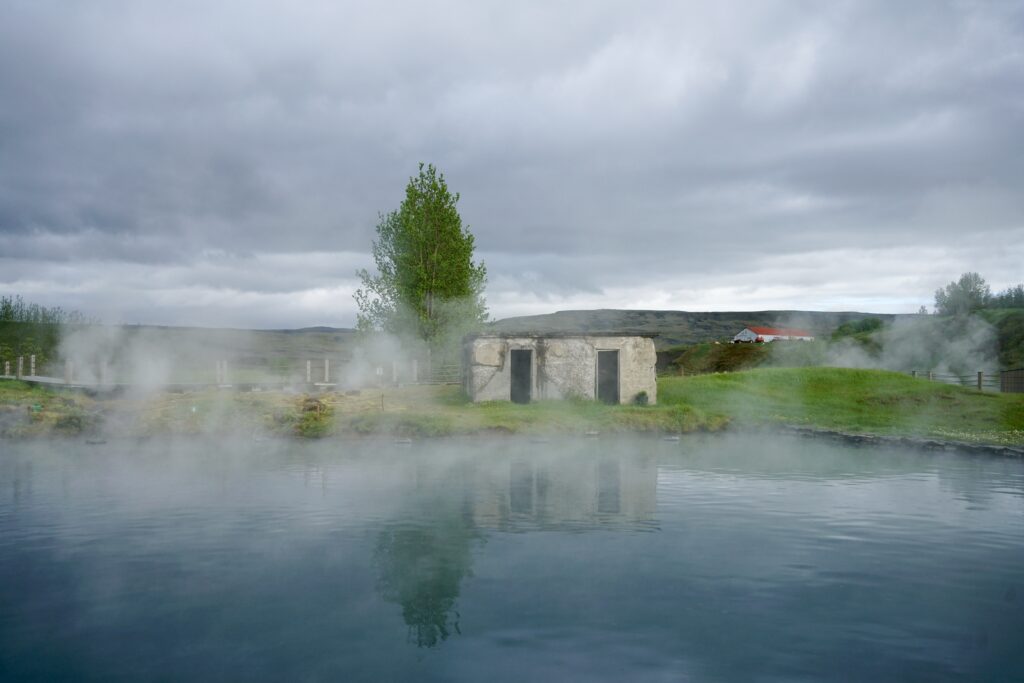
For a more lowkey vibe, check out the Secret Lagoon near the Golden Circle. This lagoon is surrounded by nature and is the perfect end to a day of exploring.
Take a dip in a secret natural hot spring
There are the geothermal spas with relaxing showers and walk-up bars and then there’s natural hot springs where you quickly throw off your clothes and take a dip in the middle of nowhere.
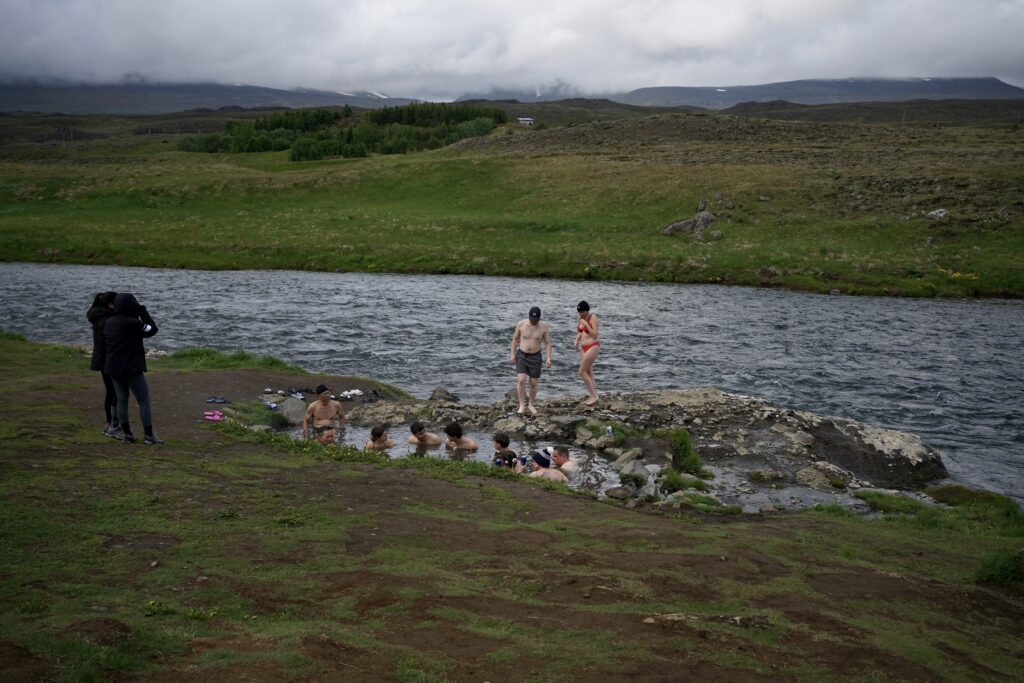
Iceland’s geothermal heat creates these secret hot springs all around the island. In the Golden Circle, you can hike a few miles to Reykjadalur Hot Spring Thermal River. For a much shorter trek, you can find a hot spring next to the Reykjafoss waterfall that’s only a 15-minute walk from the parking lot.
Make sure to do your research before jumping into a random hot spring. Not all hot springs are safe for humans to enter. Only go in hot springs that are vetted with locals or risk getting boiled alive.
Walk the black sands in Vík
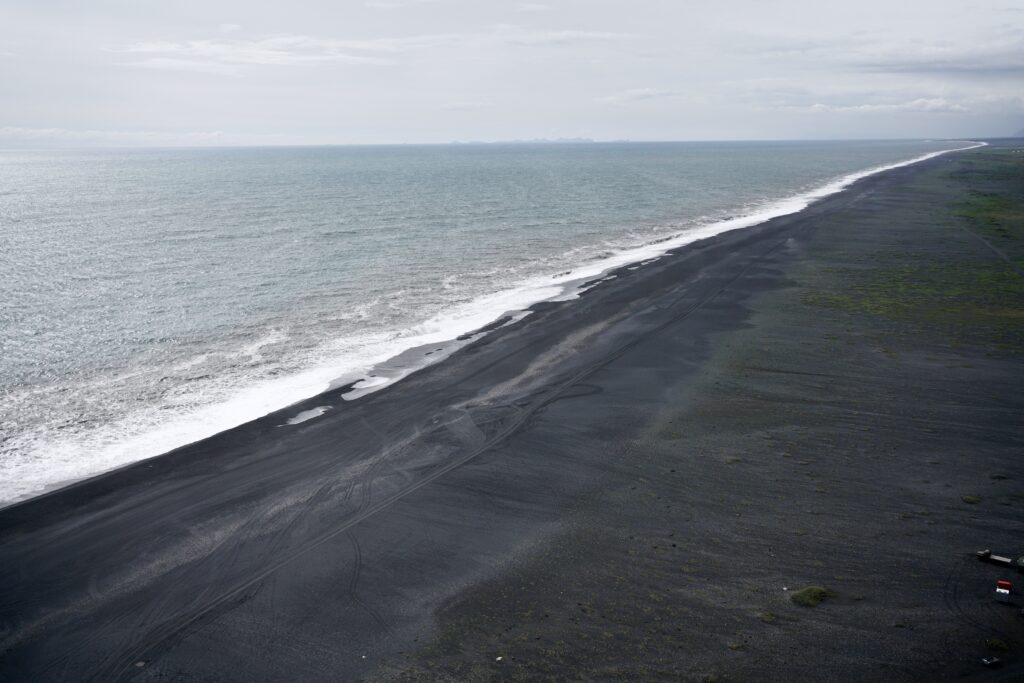
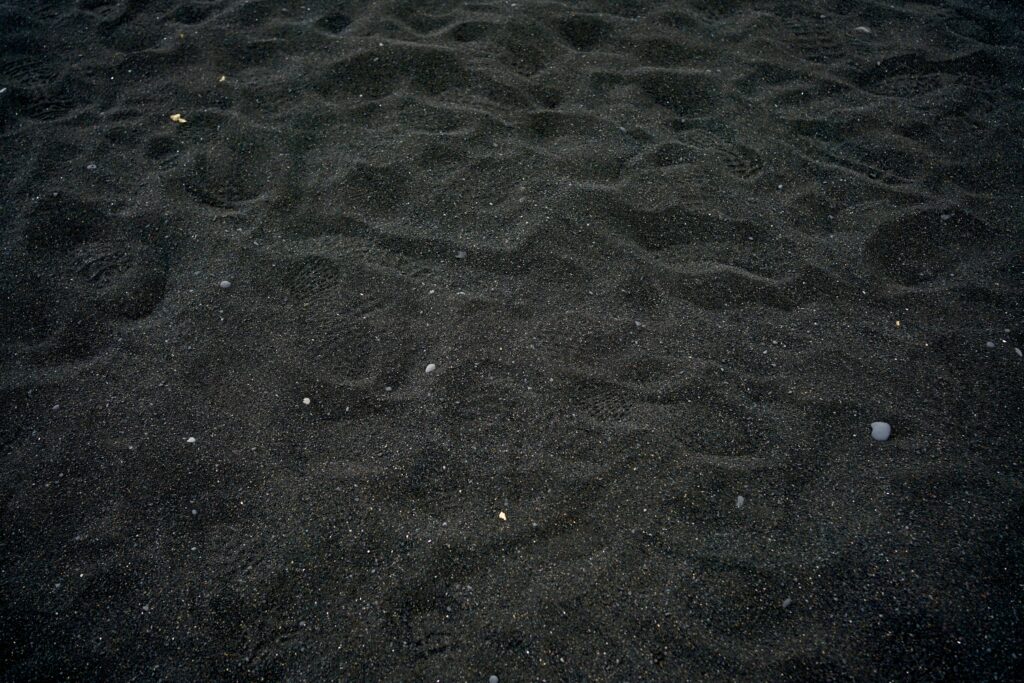
Many tropical destinations like Bali or Hawaii boast black sand beaches, but none of them compare to the volcanic black beaches of Vík. The sand is pure black from lava flows that enter the ocean and wash up on the beach as sand. From the beach in Vík, you can also see impressive rock formations along the coast and off shore.
Frolic in fields of lupine flowers
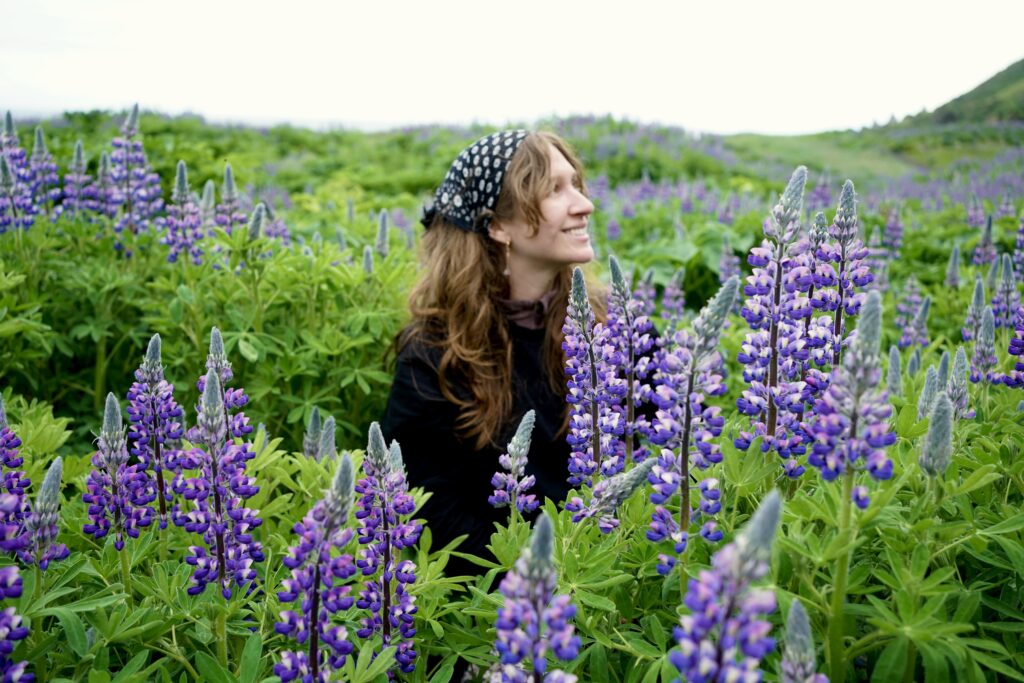
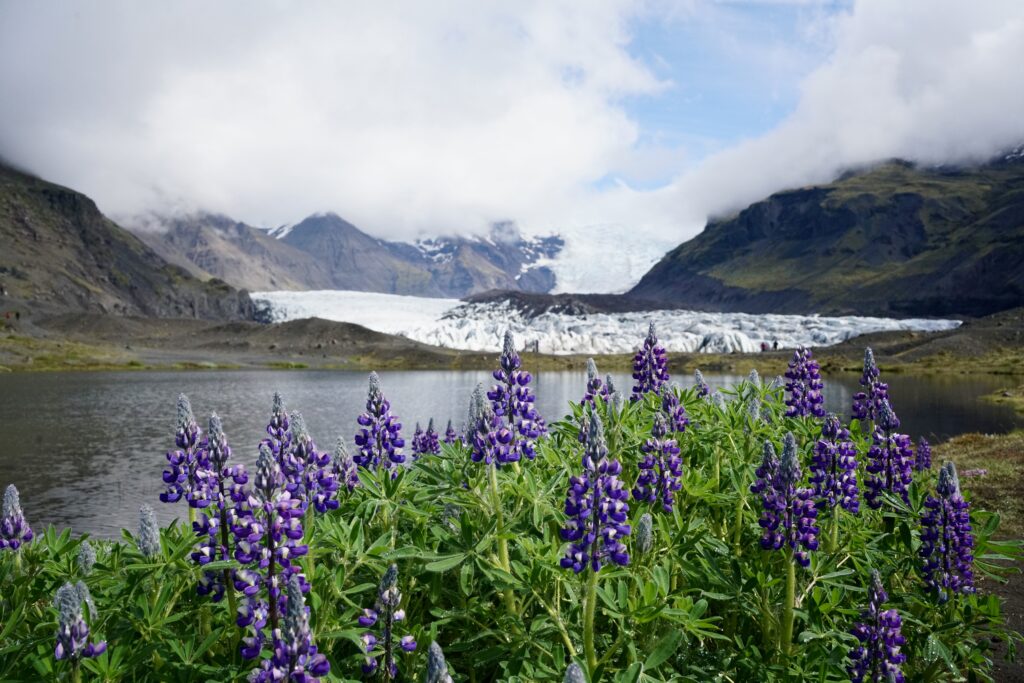
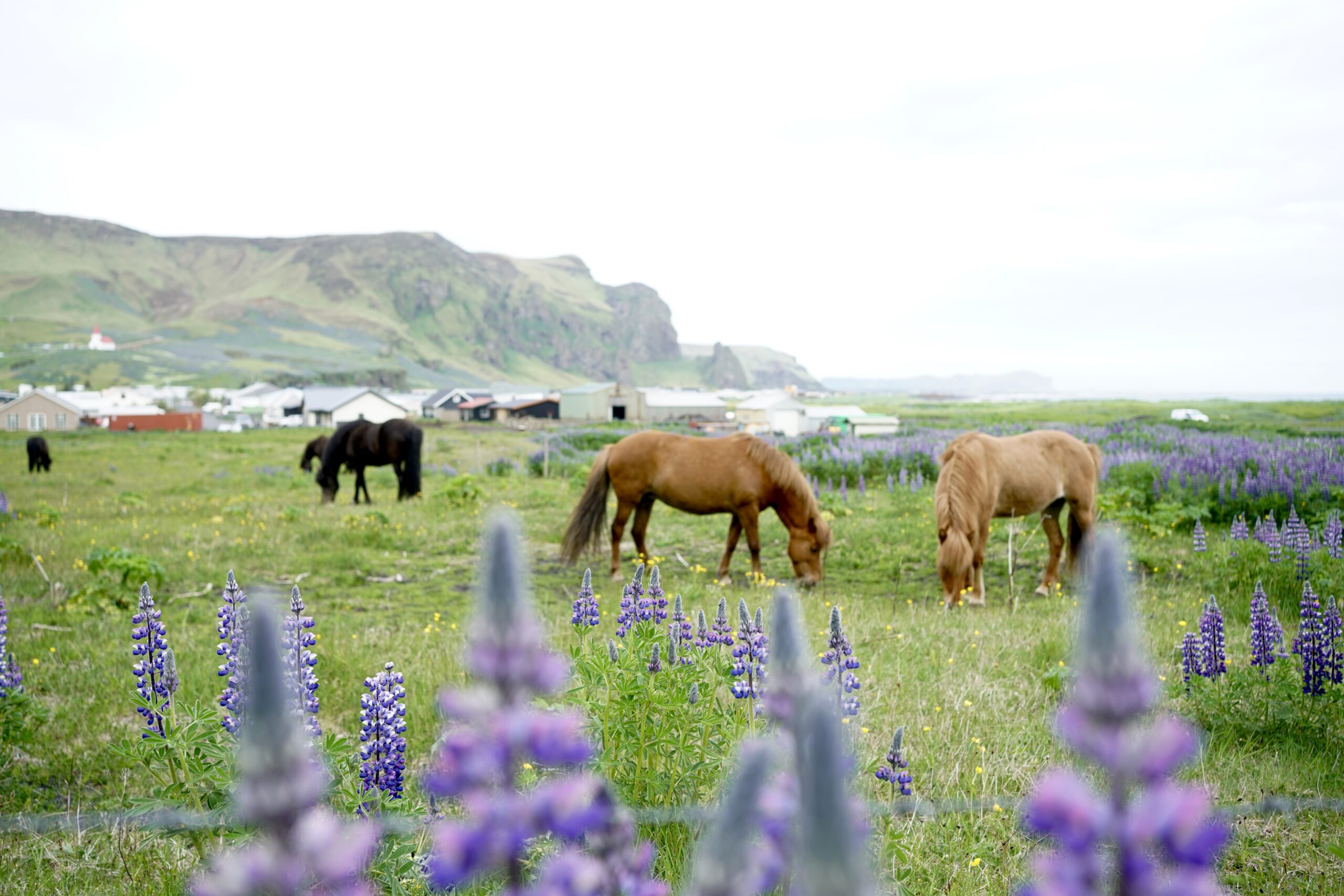
From spring to mid-summer, blueish purple flowers dot the landscape in Iceland. The best place to see Lupine is in Vík next to the beach parking lot. Find the exact direction here.
Ride an Icelandic horse
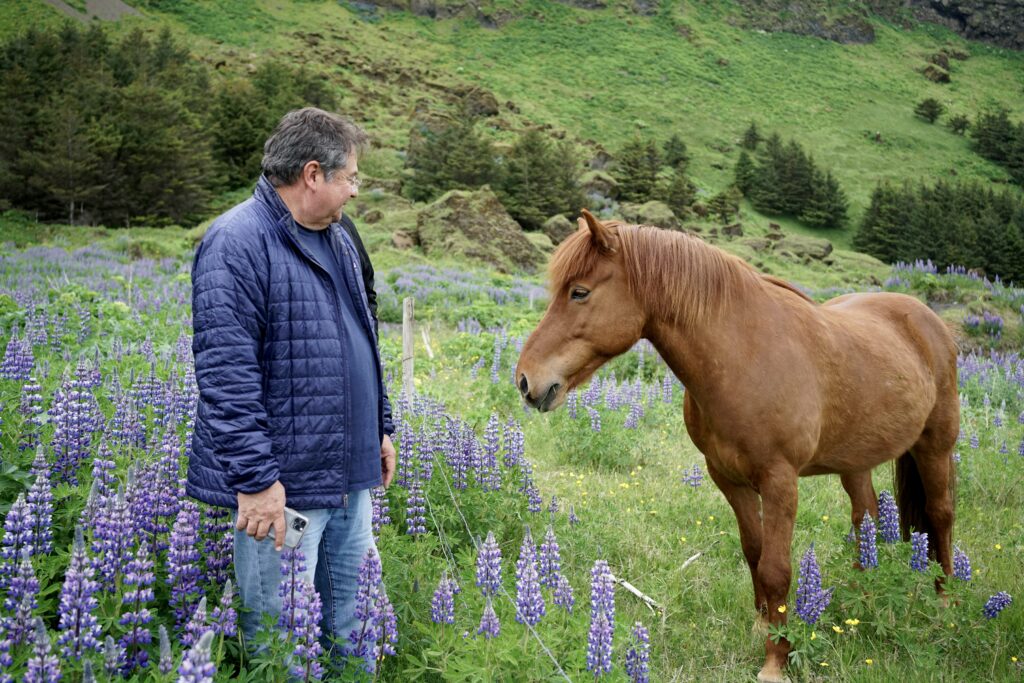
As you drive around Iceland’s countryside, you’ll see many horses. Icelandic horses are beloved by visitors because of their small stature. They’re smaller than your average horse but not as small as a donkey or pony.
You can stop along the road to say hello or book a horseback riding tour. There are lots of horseback riding tours in Northern Iceland like this 30-minute ride to the Reykajafoss waterfall.
Marvel at Jökulsárlón Glacier Lagoon and Diamond Beach
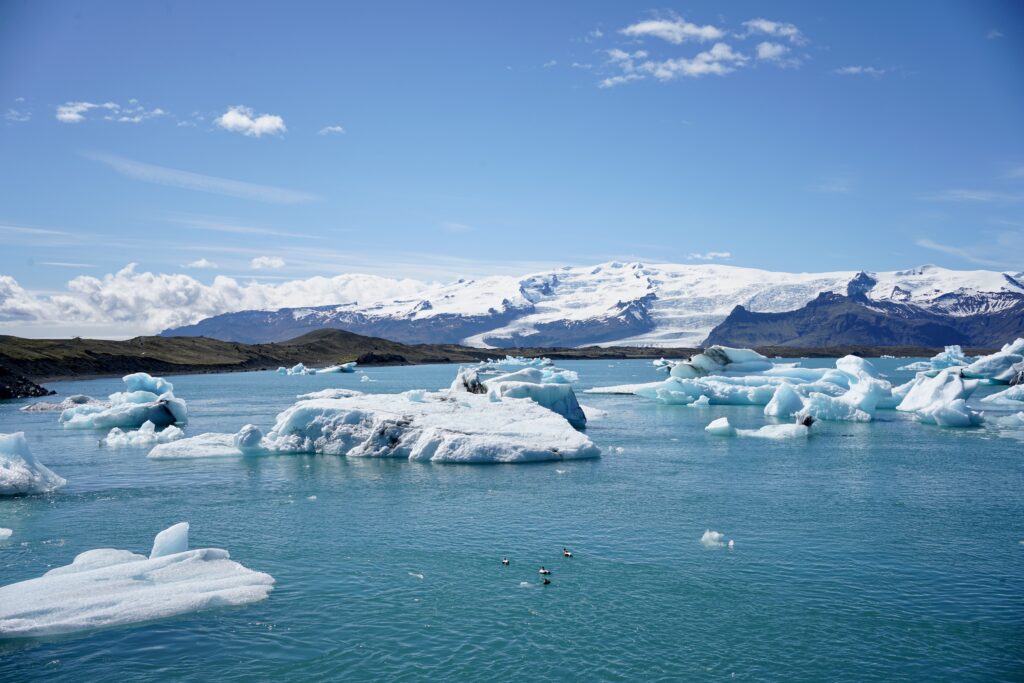
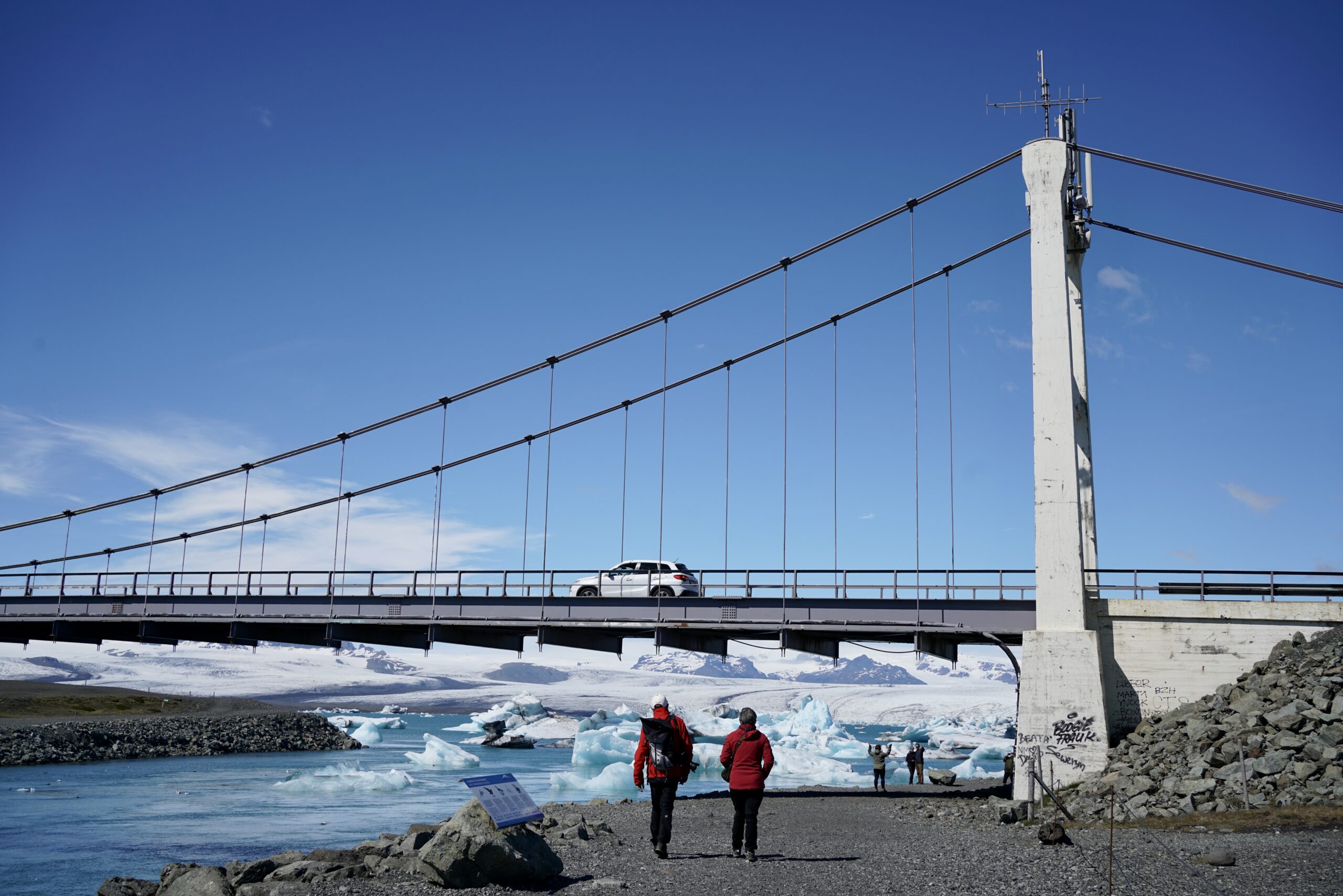
There a few places in the world where you can see glaciers and a beach within walking distance of each other. The Jökulsárlón Glacier Lagoon is one of the most awe-inspiring places in Iceland. Giant icebergs float in the lagoon as seals and seabirds dodge them.
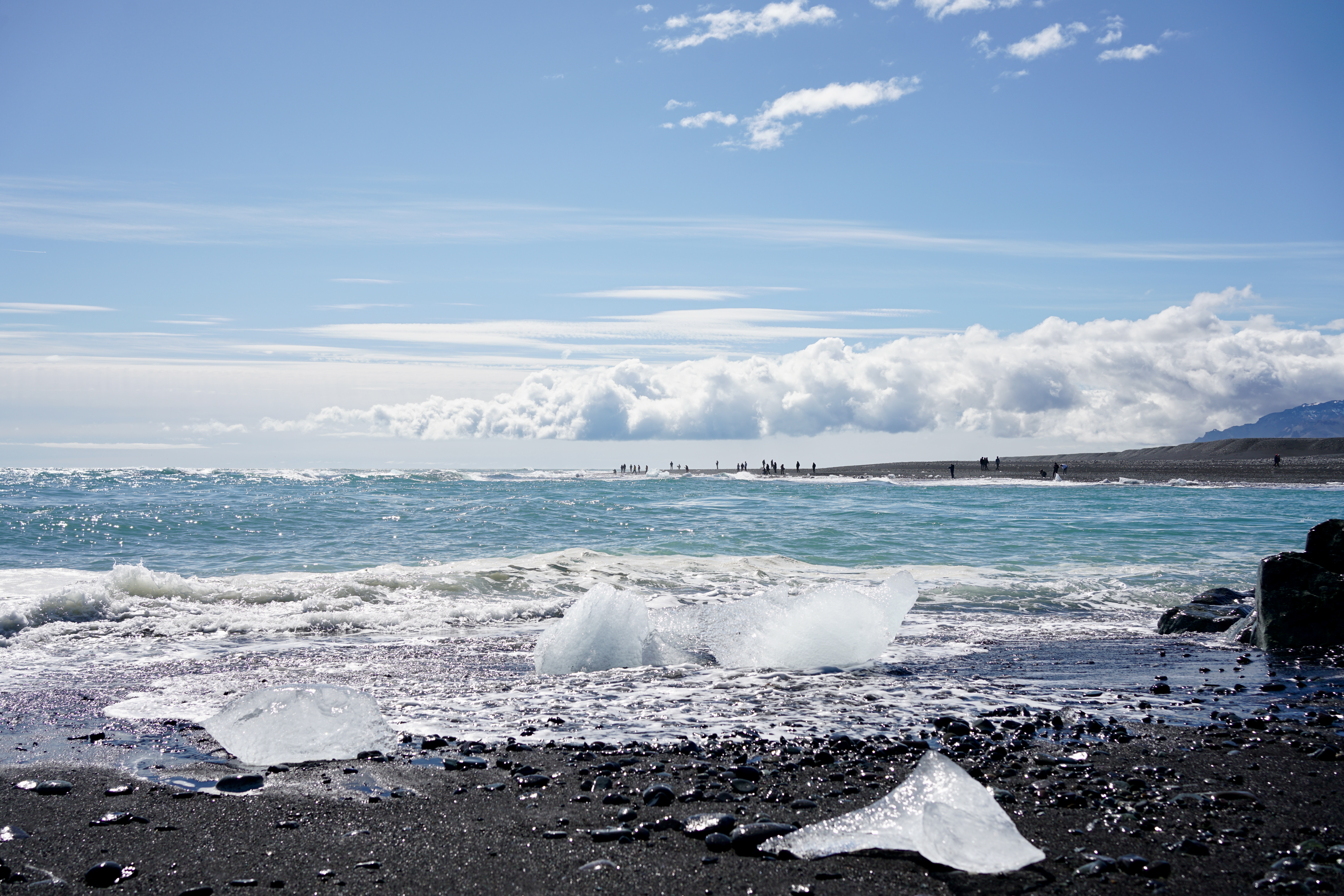
The icebergs float from the lagoon into the ocean and wash up onto the shore of Diamond Beach. The beach gets its name from the icebergs that glisten on its shore. In the summer, the so called diamonds are smaller because they melt faster.
Find lone lighthouses
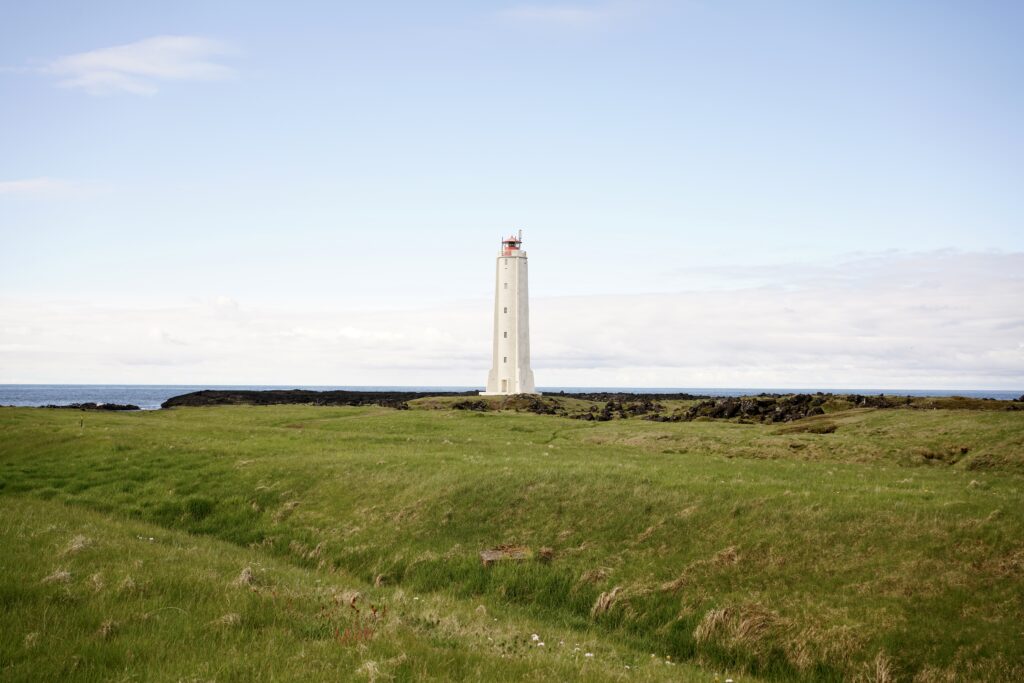
If you’re a lighthouse lover, you’re in luck. While most are no longer in use, you can still find lighthouses with beautiful views all around Iceland. The most popular lighthouse is Dyrhólaey Lighthouse near Vík. This is a popular spot to see puffins and the black sand beaches. Malariff Lighthouse is a hidden gem on the Snæfellsnes Peninsula with a traditional Icelandic design.
Look out onto Lake Mývatn
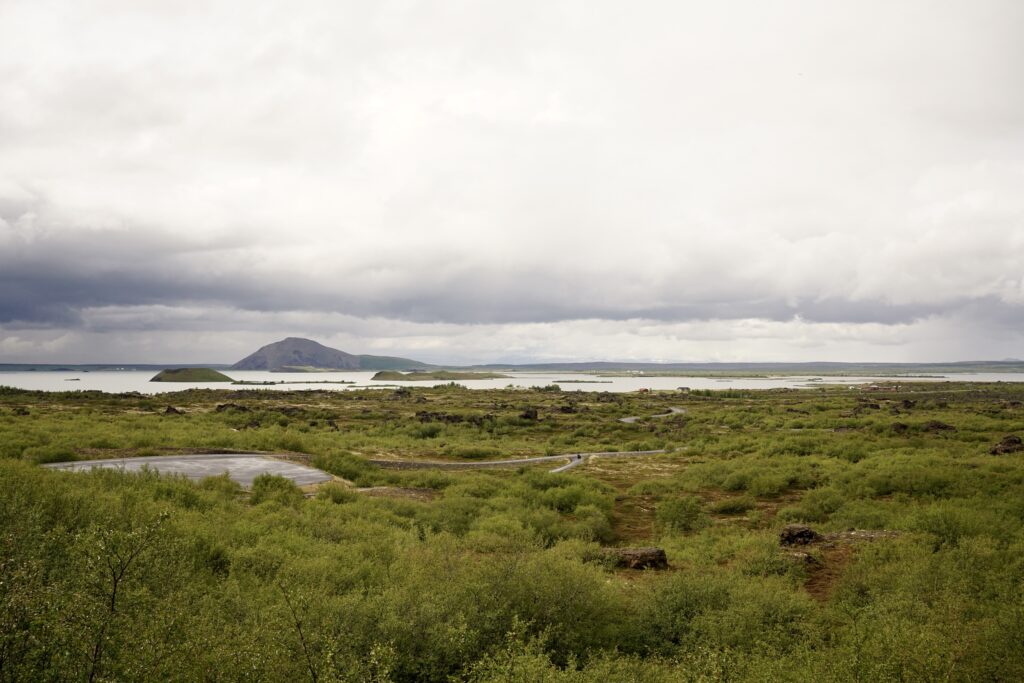
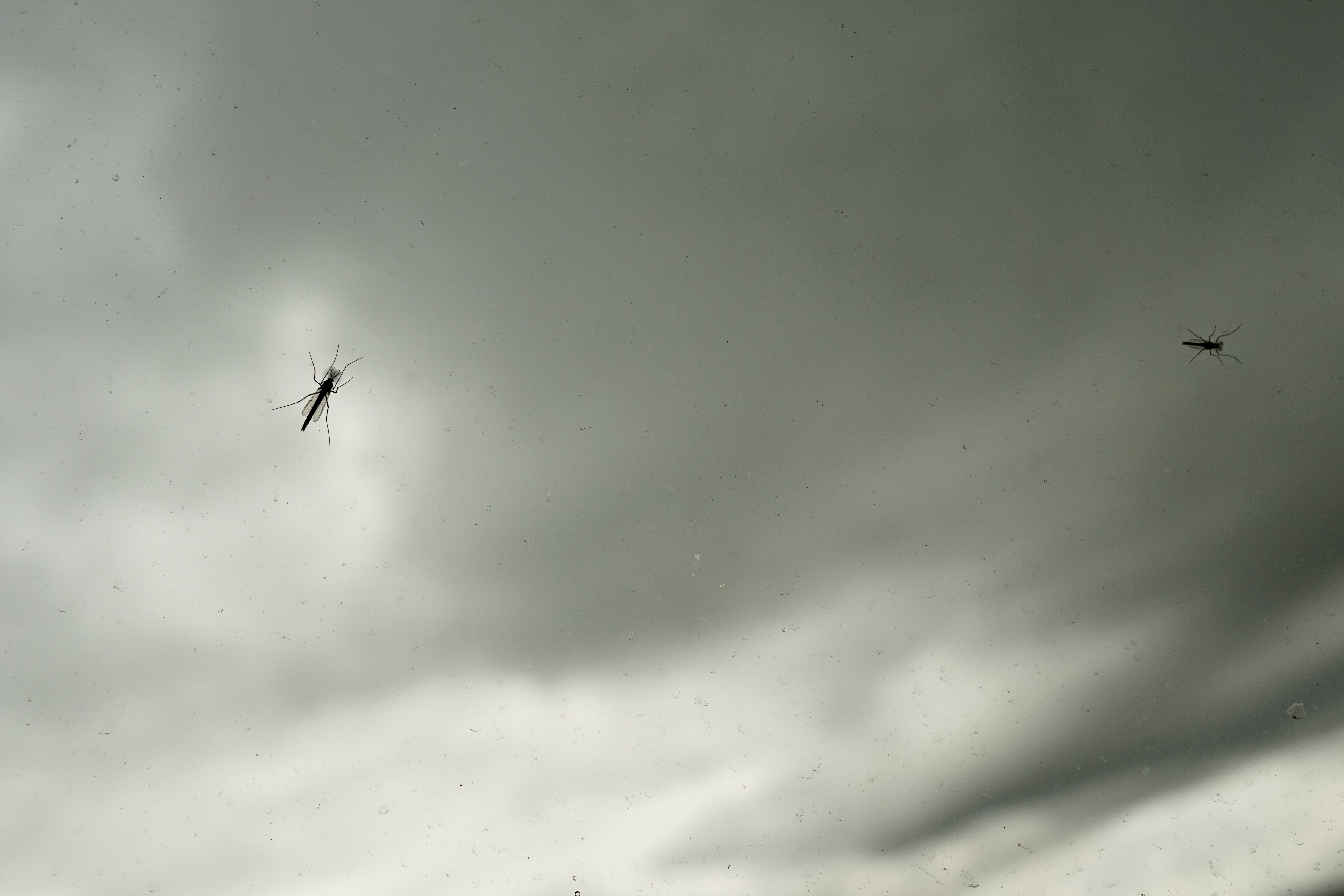
A volcanic lake sprawls out near lava formations and green hills in northern Iceland. “Mývatn” translates to midges, which is a fly. While the lake is beautiful, flies swarm the area in the summer, so you’ll want to quickly snap a photo and get back into the car.
ThatPlannerFriend Tip: Midges while annoying don’t bite. There are actually no mosquitos found in Iceland, so you can leave the bug spray at home.
Transport to Mars at the Hverir geothermal area
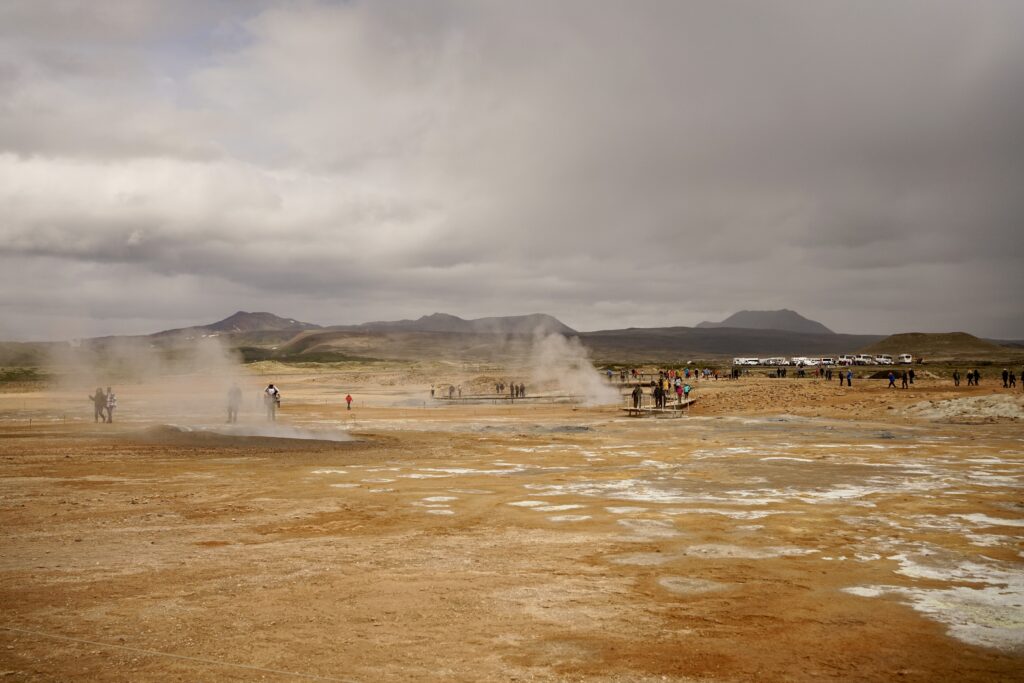
The Hverir geothermal area around Lake Mývatn makes you feel like you took a trip to Mars. Bubbling mud pots, craters, and lava formations define the area. The smell of sulfur lingers in the air but the otherwordly views are worth it.
Explore the Snæfellsnes Peninsula
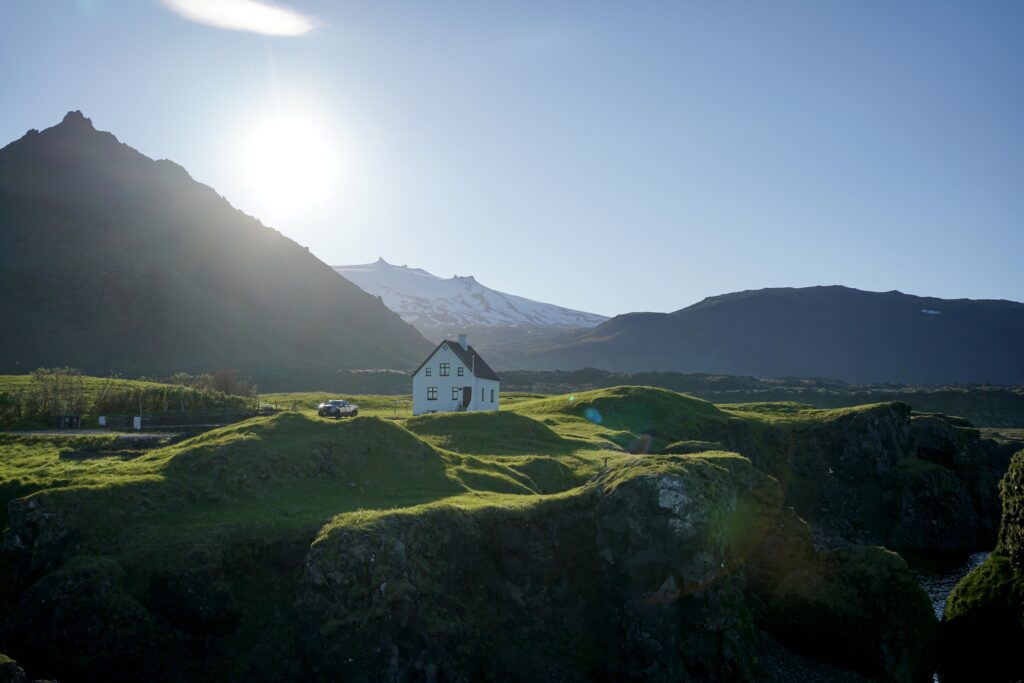
In Reykavík’s backyard is the Snæfellsnes Peninsula, a region about two hours from the city with endless coastline. In Snæfellsnes, you can see glacial mountains, seals, and rock formations. It’s laid back and less developed than places along the Ring Road, making it feel extra special.
Visit historic and modern churches
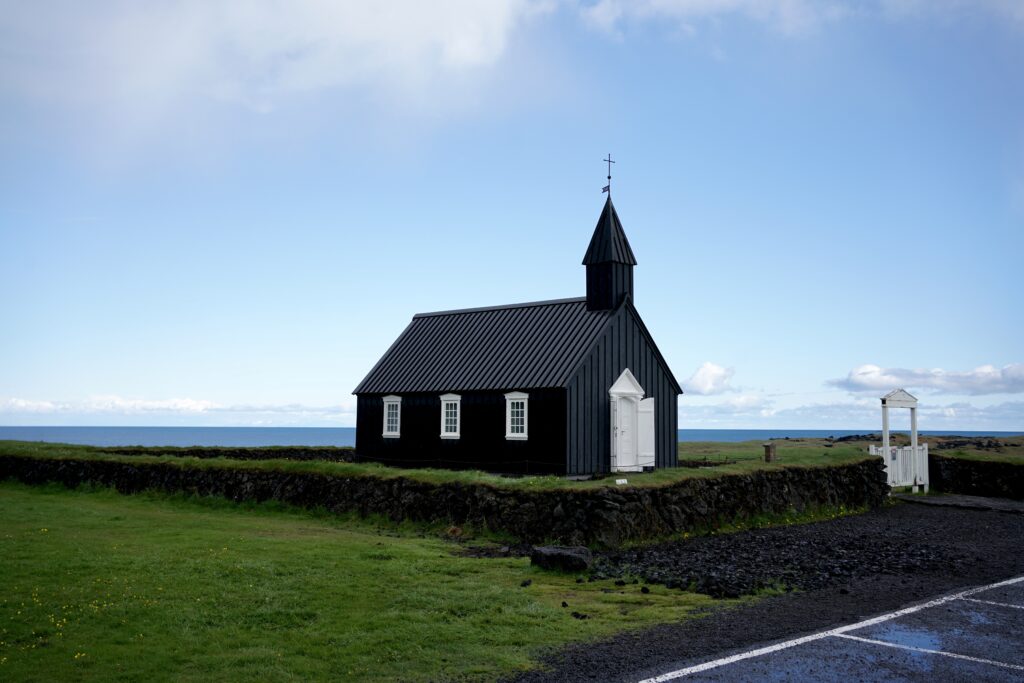
From turf-roofed chapels to the iconic Hallgrímskirkja, explore Iceland’s architecture through its churches. “Kirkja” means church in Icelandic, so anytime you see that at the end of a name, it’s likely a place of worship
Here are some churches to add to your list:
Búðakirkja: A picturesque black church on the Snæfellsnes Peninsula
Þingvallakirkja: A historic church in Þingvellir National Park that you can step inside for free
Hallgrímskirkja: The iconic church at the top of a hill in Reykjavík
Hofskirkja: A small turf-roofed chapel on the south coast
Discover panoramic fjords
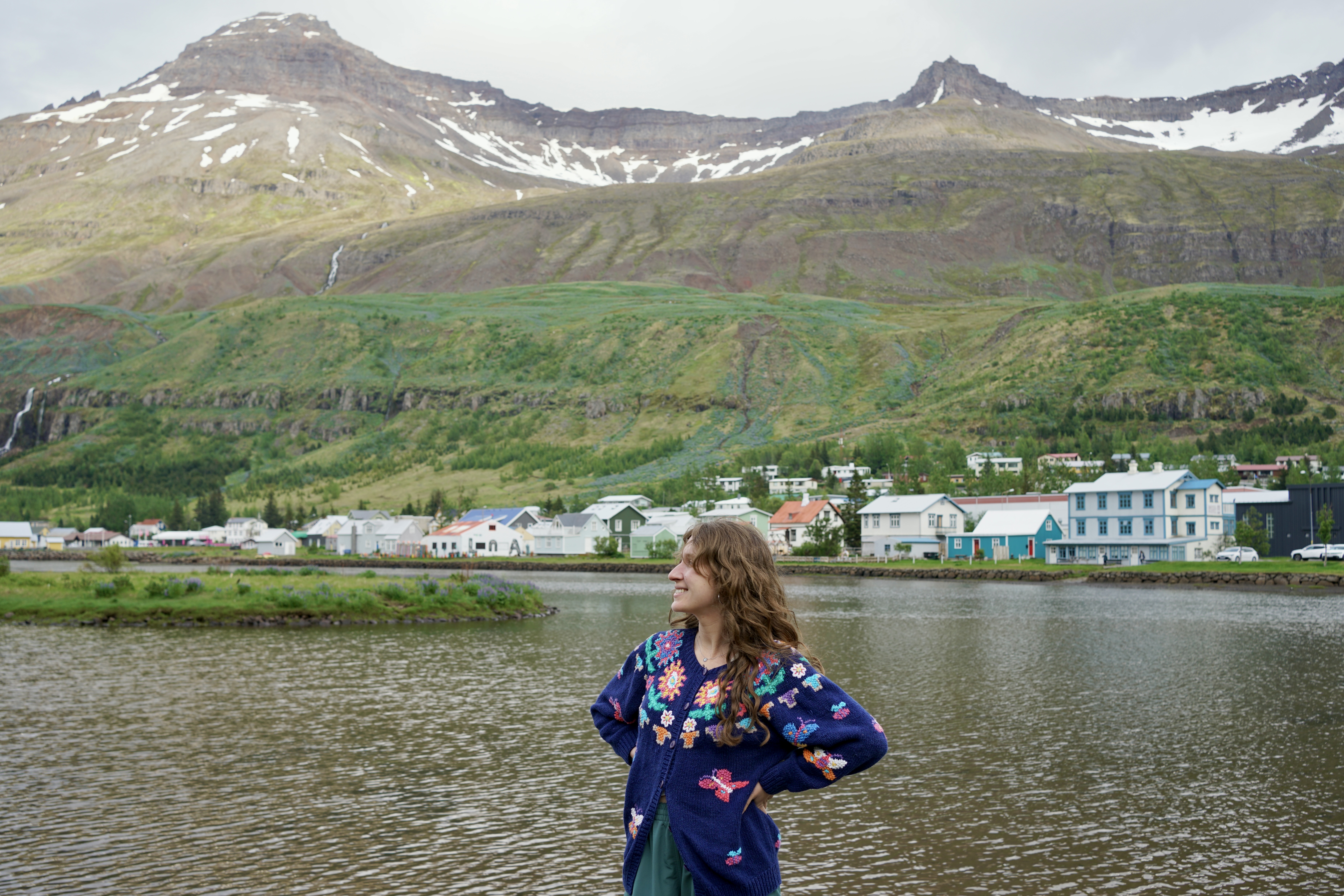
In Iceland, there are the Western Fjords and Eastern Fjords, both with breathtaking scenery. The Eastern Fjords are convinently located off the Ring Road. A popular and colorful fjord town in the east is Seydisfjordur. It is home to an iconic rainbow road leading to a church. To reach the distant Western Fjords, you’ll need to add on extra days to your trip.
Wander around picturesque canyons
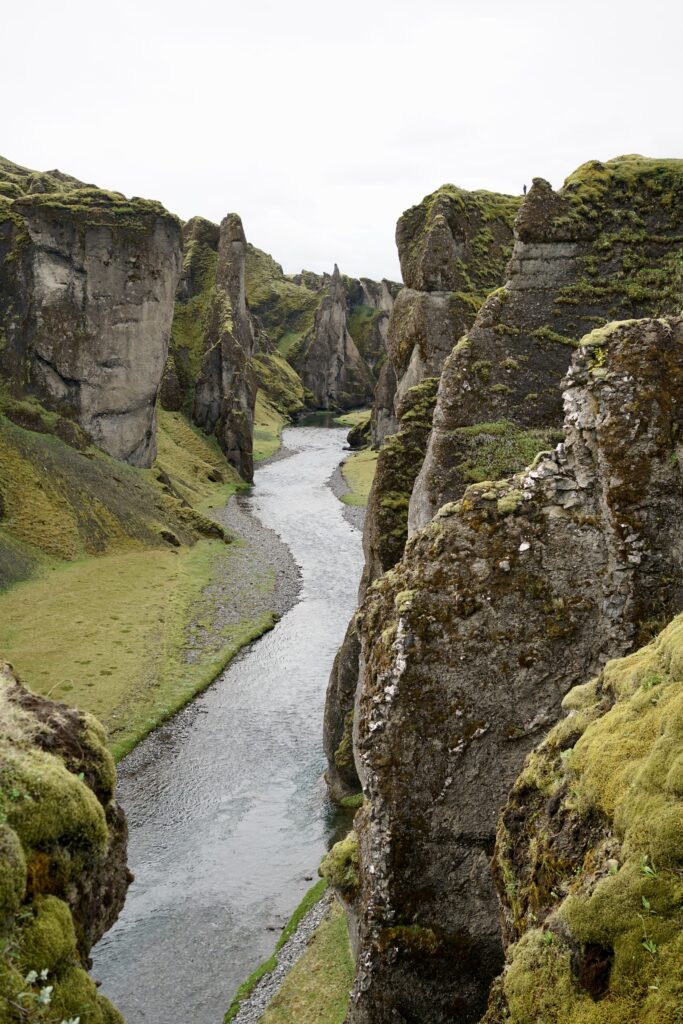
Roaring rivers carved out dramatic canyons in Iceland. Visit Fjaðrárgljúfur on the south coast or Kolugljúfur in the north to see dramatic landscapes with roaring rivers and waterfalls within canyon walls.
Get up close and personal with puffins and other wildlife
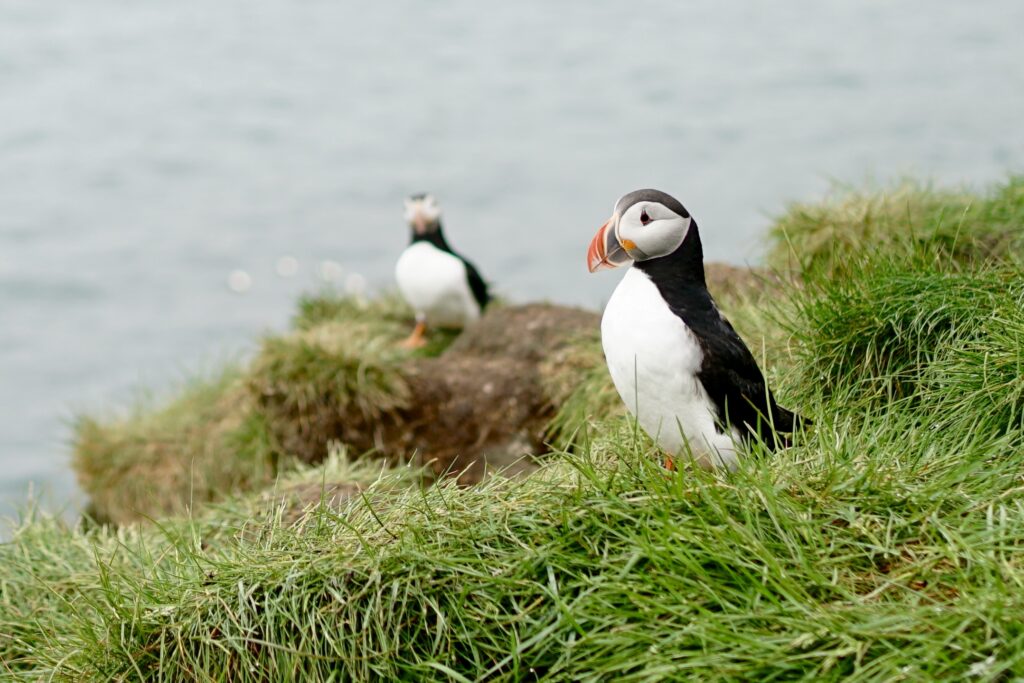
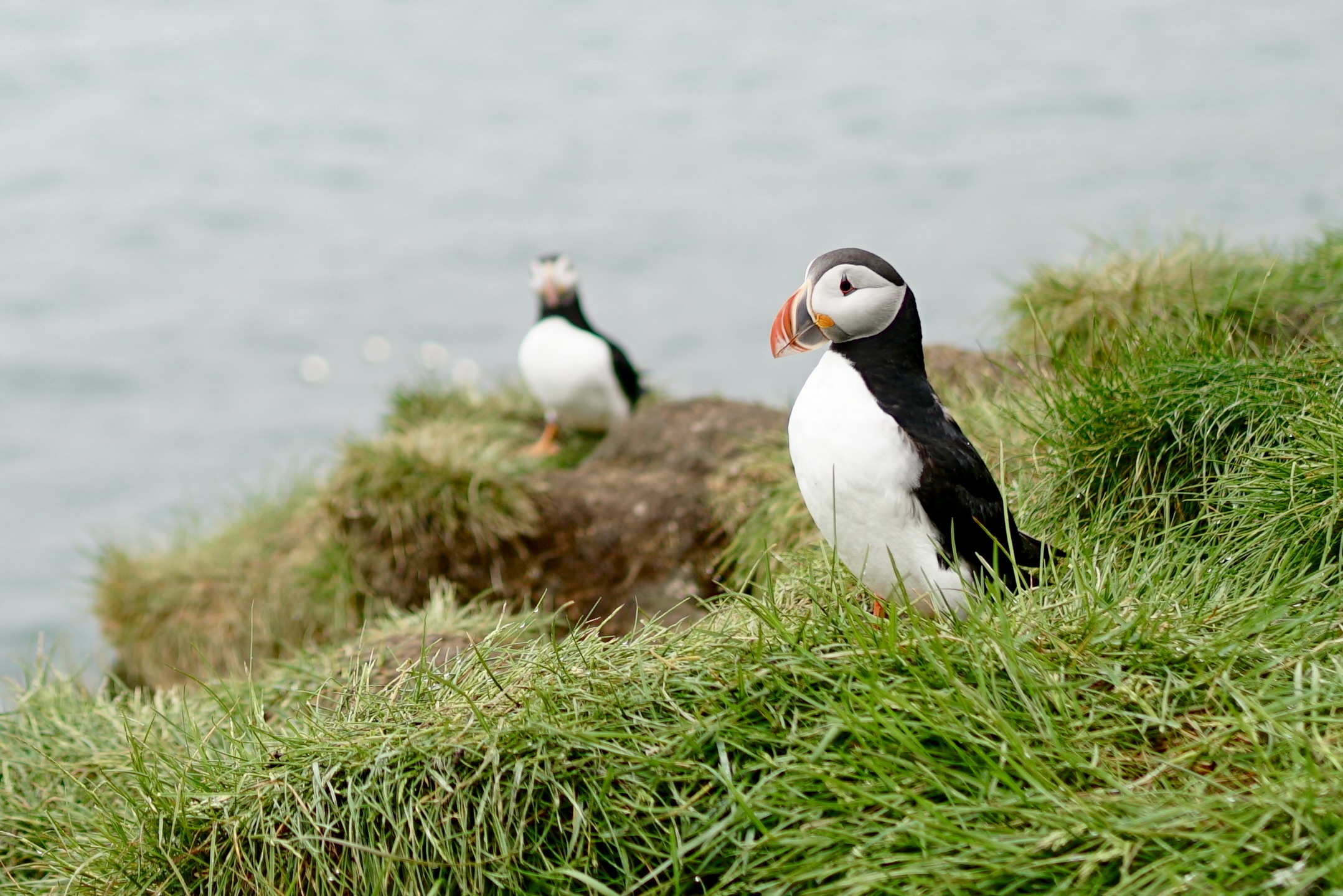
From seabirds to seals, you can see wildlife throughout the country. Puffins call the cliffs of Iceland home, and the Icelandic locals are very proud of them. To guarantee a puffin sighting, go to Borgarfjarðarhöfn in the Eastern Fjords. A colony of puffins lives here and can be seen at all hours of the day.
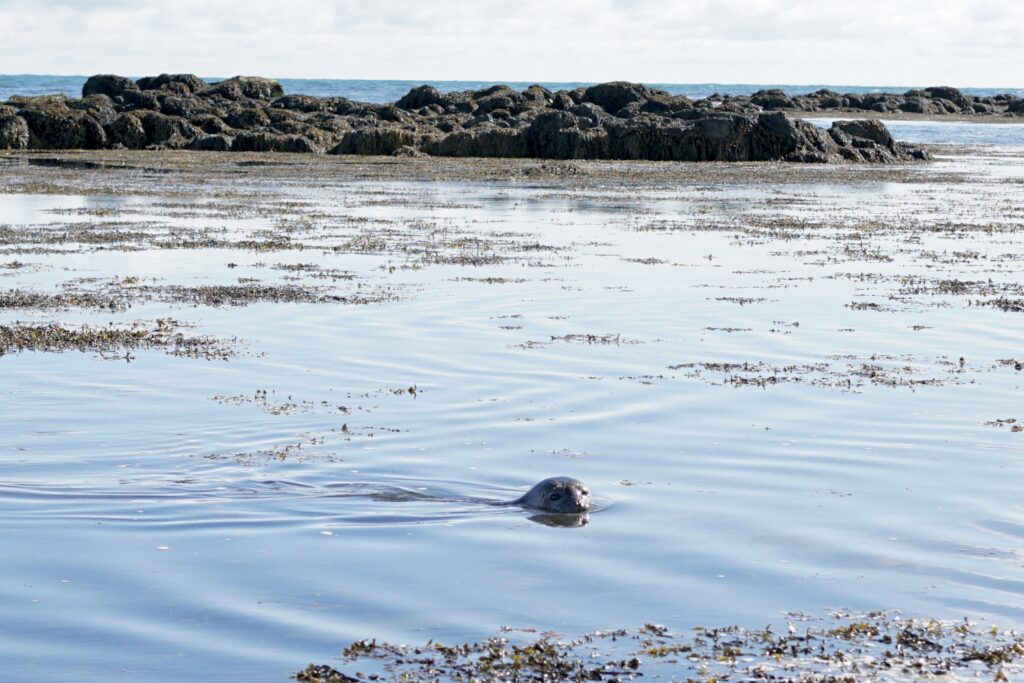
Other animals to look out for:
Seals: You’ll find seals in the water at the Jökulsárlón Glacier Lagoon and on the shores of Ytri Tunga beach on the Snæfellsnes Peninsula
Reindeer: Keep your eyes peeled for reindeer crossing along the Ring Road
Artic fox: Foxes have been spotted at the tip of the Snæfellsnes Peninsula
Sheep: Although they’re not wild, sheep dot the landscape in Iceland.
Whales: You can go on a whale watching tour out of Húsavík or even see whales from the shore if you’re lucky
Walk through ancient lava fields
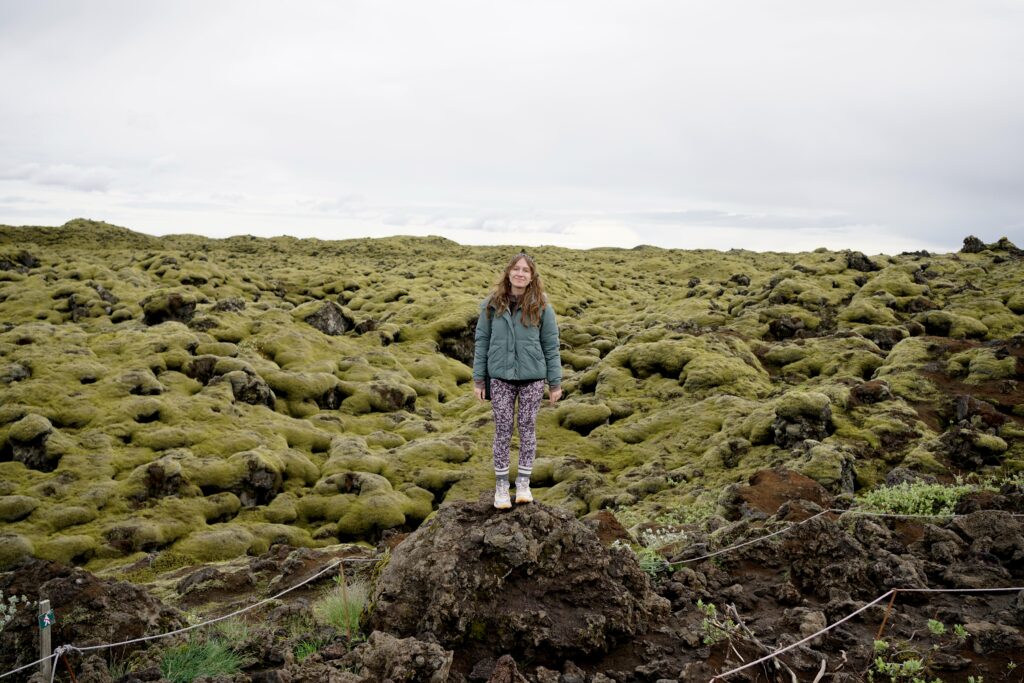
While there are plenty of barren lava fields in Iceland, the most interesting lava fields have a lush green carpet on top of them. The Eldhraun lava field along the south coast has a layer of thick green moss on top that seems to go on for miles. Make sure to stay on the trail because if you step on the moss, you’ll kill it.
Uncover traditional grass houses
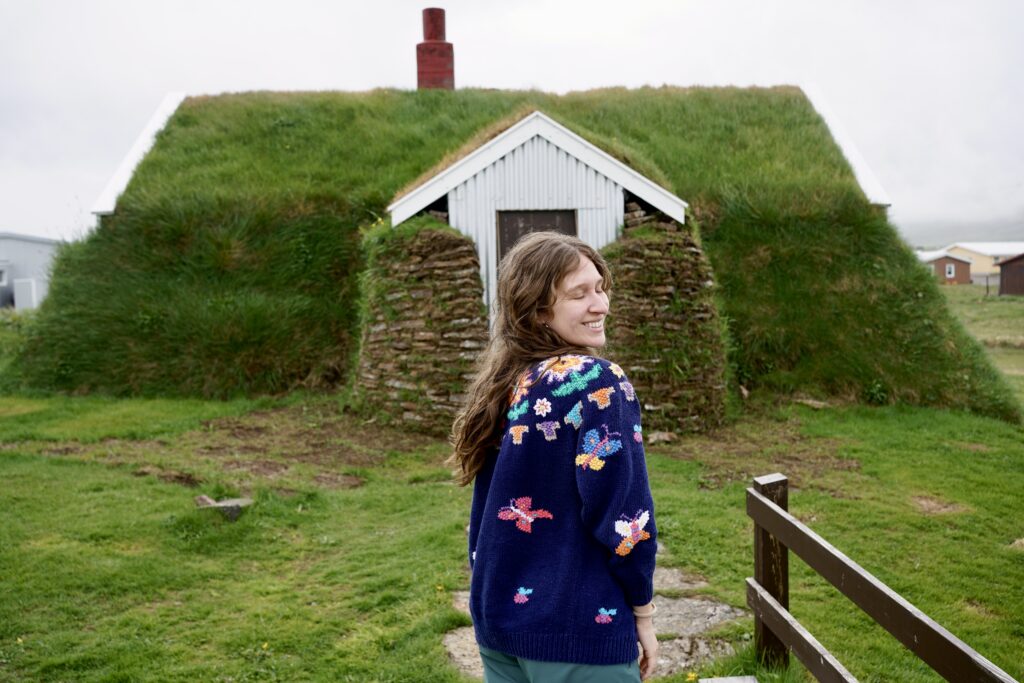
Back in the day, the roofs of traditional Icelandic houses were covered in turf for insulation. Today, you can still find many of these houses around Iceland; you just need to keep an eye out and be prepared to stop the car for a photo opp. We stopped at turf-covered roofs near Borgarfjarðarhöfn, Svínafellsjökull Glacier, and Arnastapi.
Taste the local cuisine
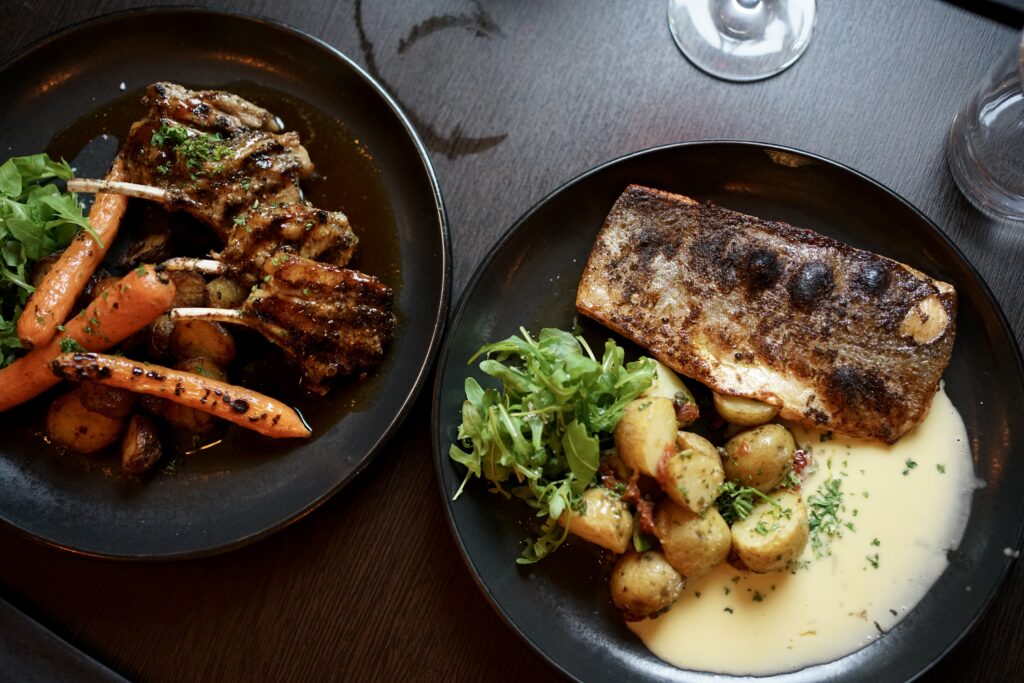
Iceland has a deeply rooted culinary culture with an emphasis on local farm-to-table ingredients.
Here are the must-try foods:
Lamb: Whether it be in soup or as a main dish, lamb is a staple in Iceland
Hot dogs: Icelandic hot dogs are a blend of lamb, pork, and beef, setting them apart from the American version
Artic char: A fish found in Iceland
Fish and chips: Battered cod with French fries
Cinnamon buns: A warm, soft treat with a gooey center
Reindeer: It can be served as a steak or as jerky
Hákarl: A strong and pungent fermented shark meat
Pickled herring: Pickled fish often served at breakfast buffets
Eat lunch in a greenhouse at Friðheimar tomato farm
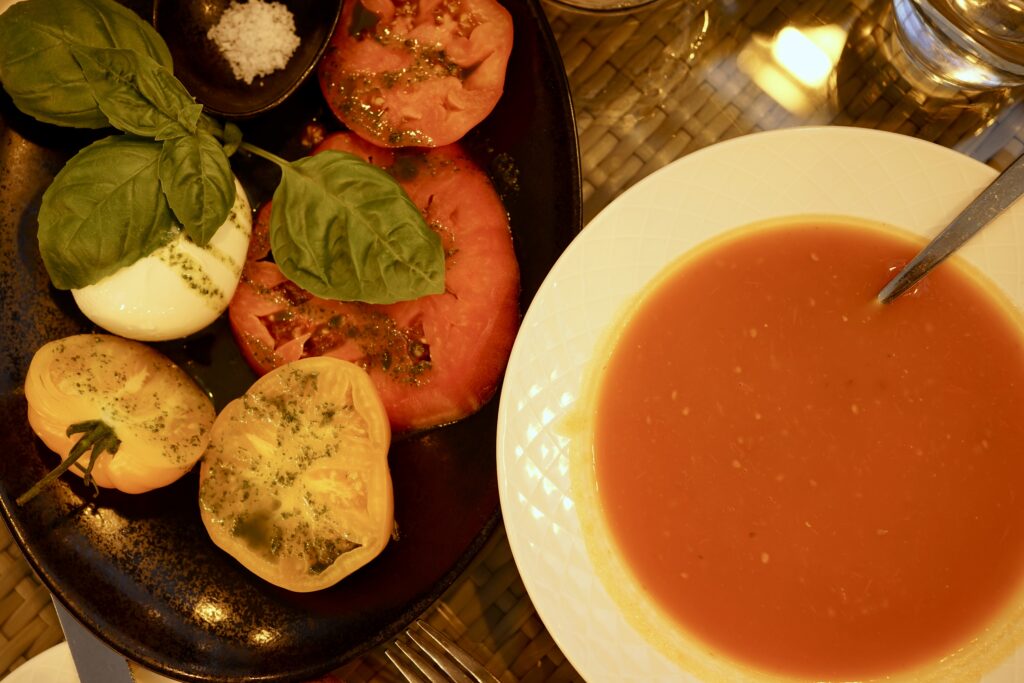
Because of the cold climate, most of Iceland’s produce is grown in greenhouses. Experience and taste this agricultural wonder for yourself at Friðheimar tomato farm between spots along the Golden Circle. Friðheimar serves bottomless tomato soup in a greenhouse along with other tomato dishes. You can even order tomato ice cream for dessert.

Reservations are recommended for larger parties (4+ people), but if you’re traveling in a pair or solo, you can get a seat at the bar or a table if you’re lucky. Make a reservation here.
Stroll the colorful streets of Reykjavík
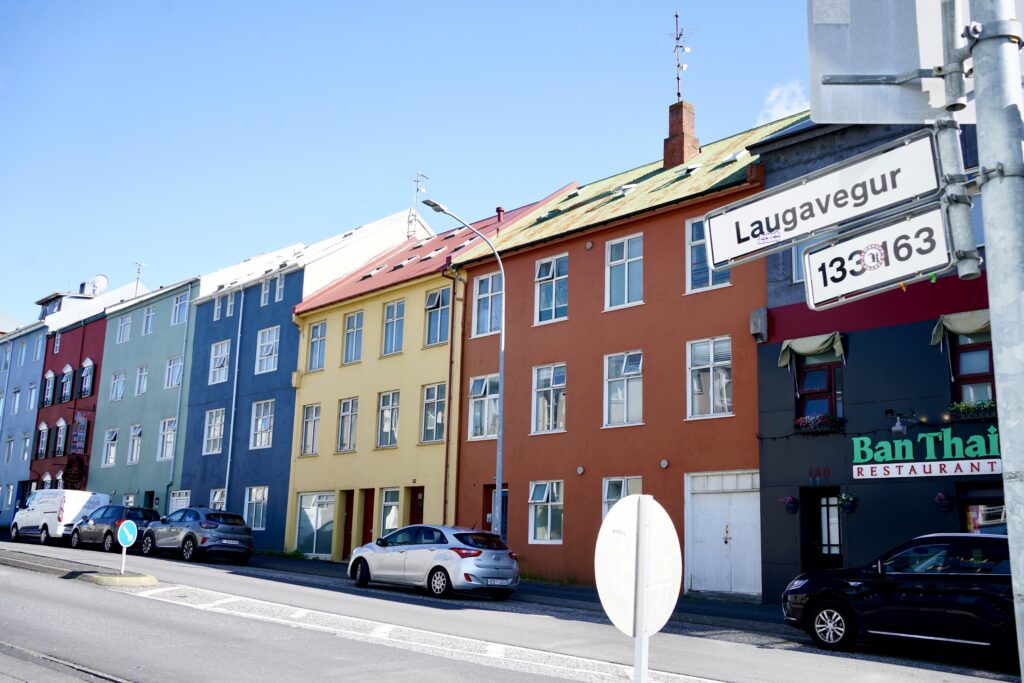
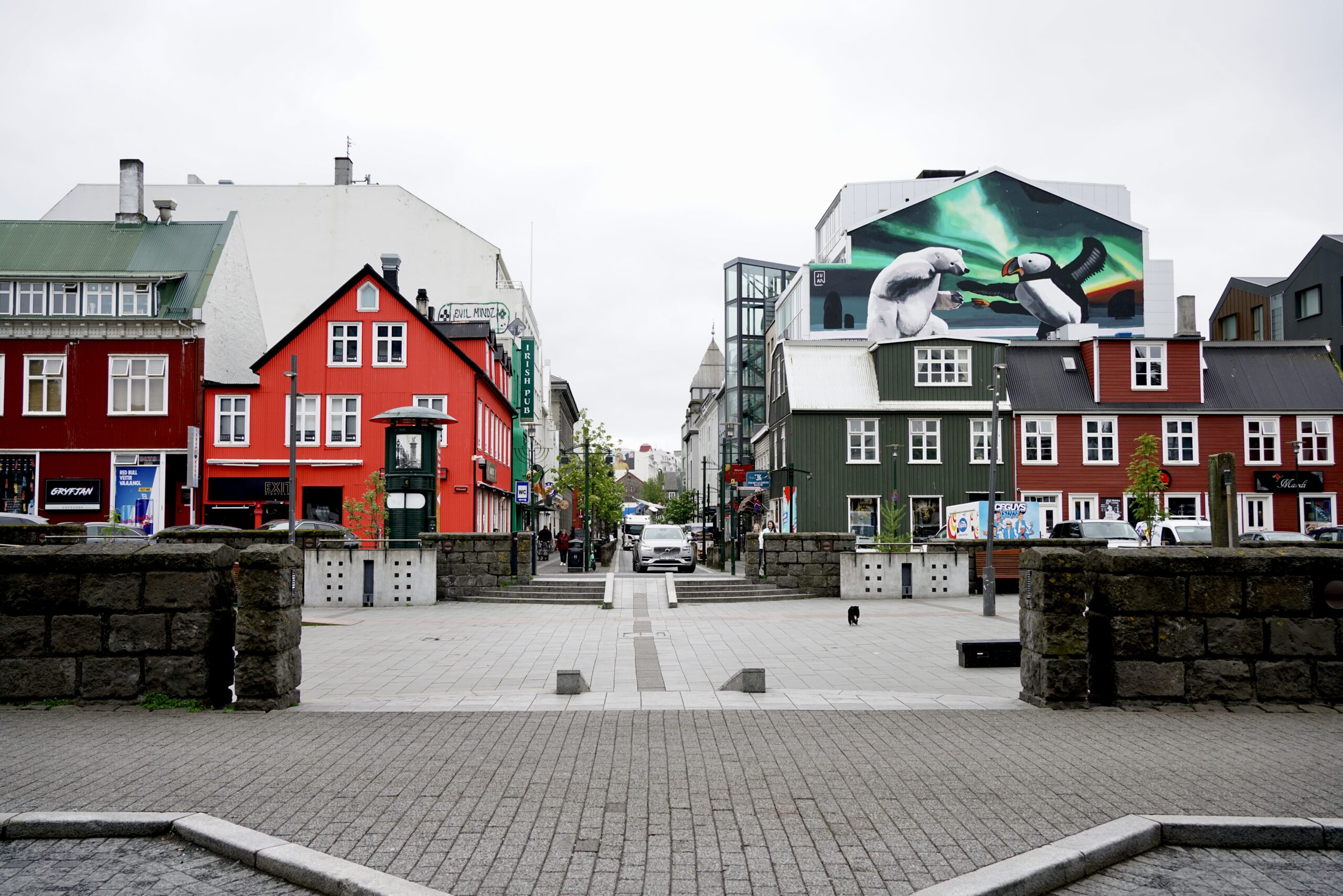
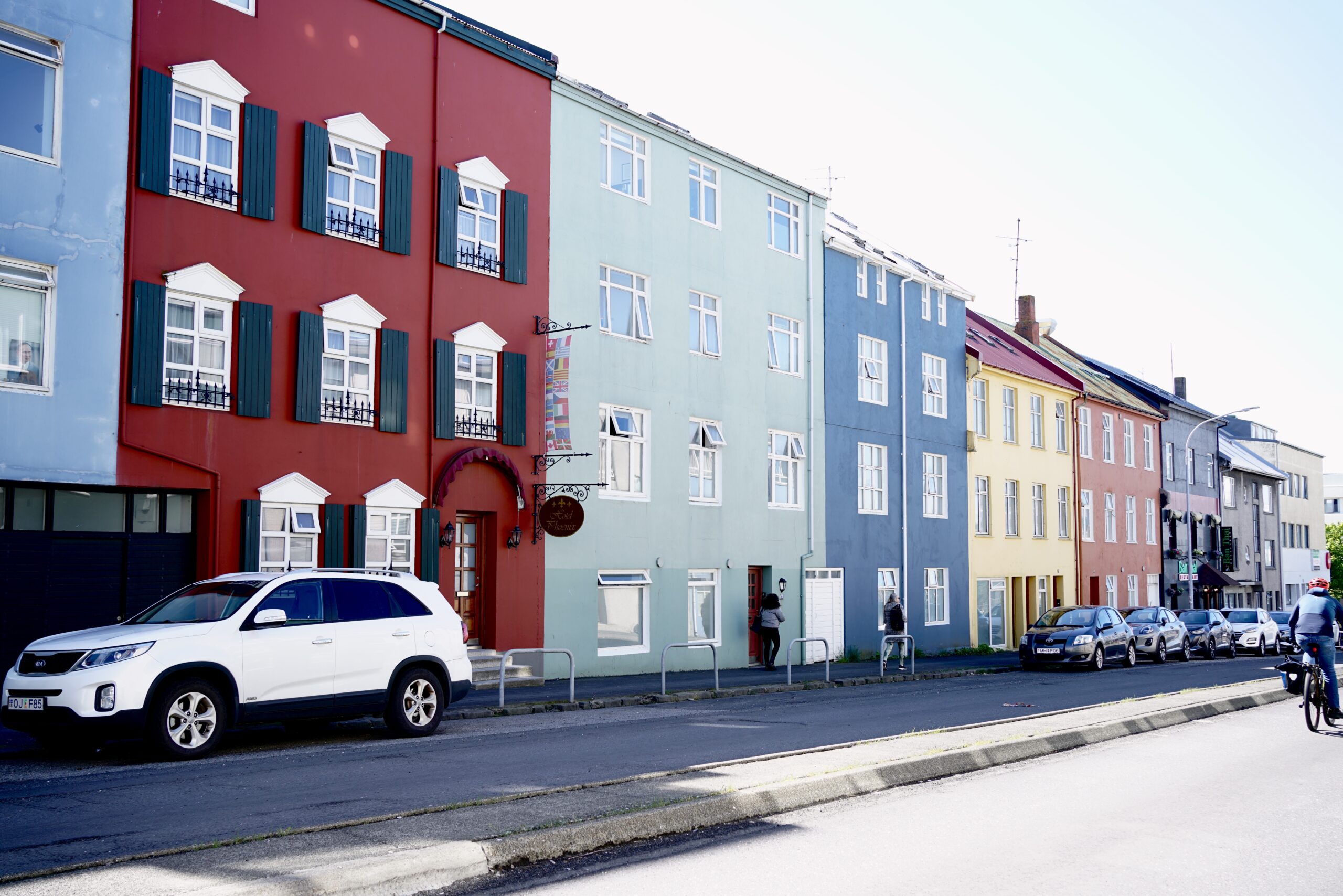
No trip to Iceland is complete without a stroll around the nation’s colorful capital. It feels like every corner of Reykjavík is covered in vibrant street art. In the city center, you’ll find brightly painted houses and masterfully painted murals.
More Iceland guides


Reply